


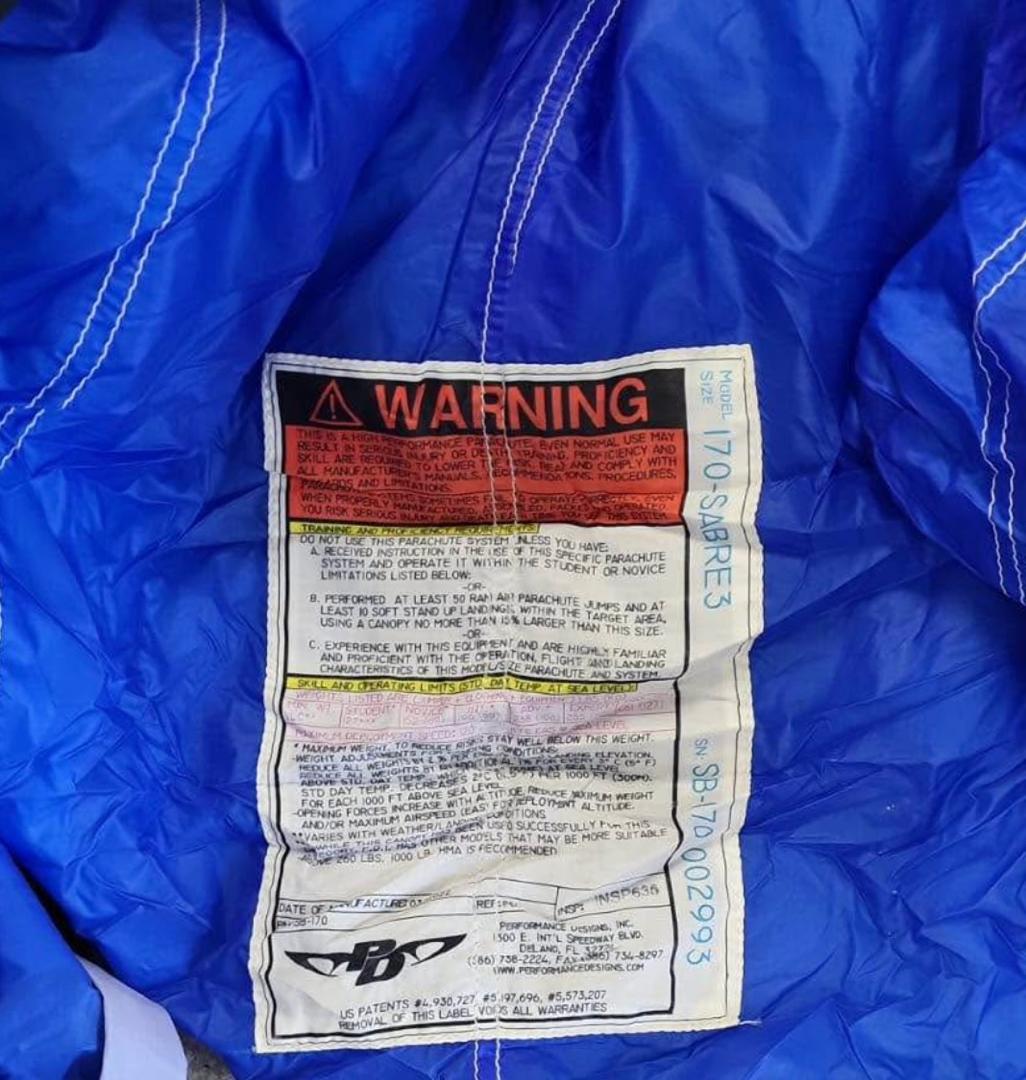
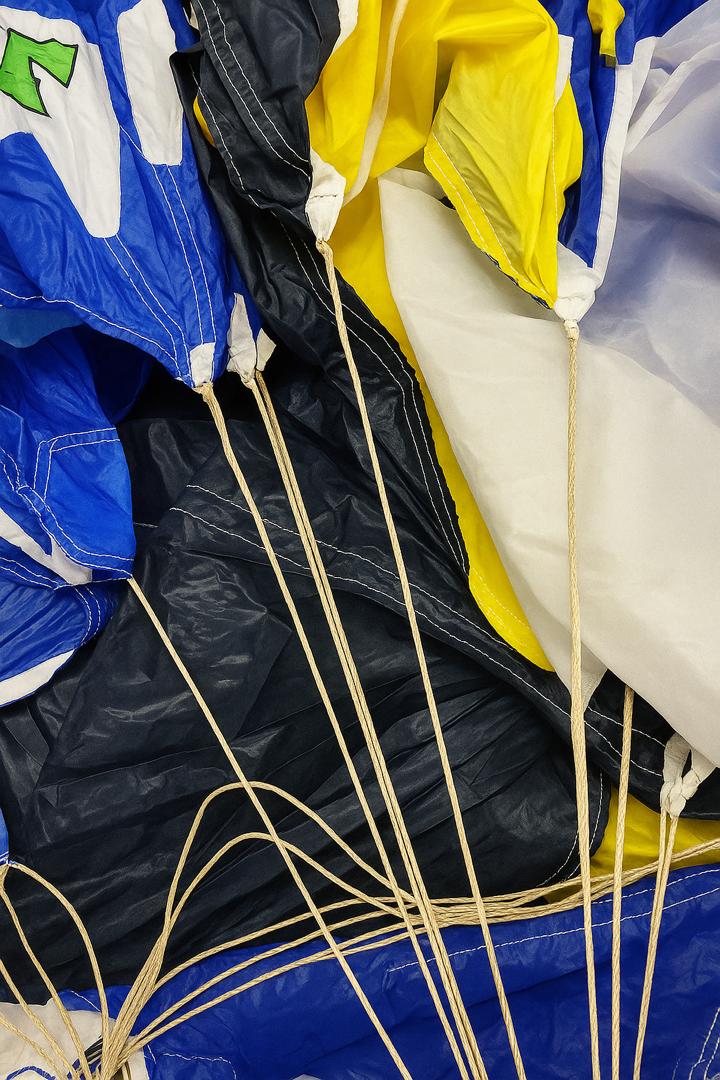
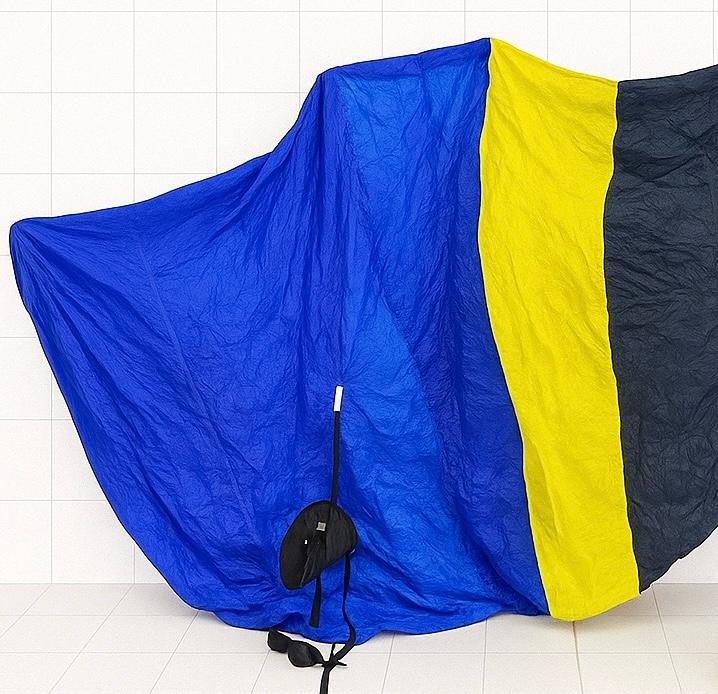
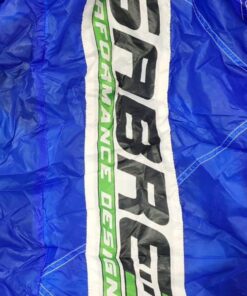
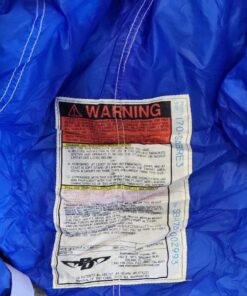
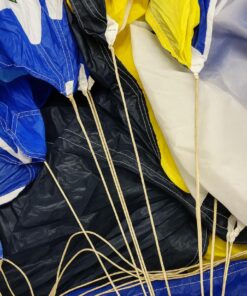
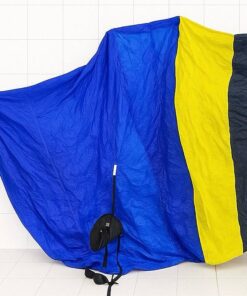
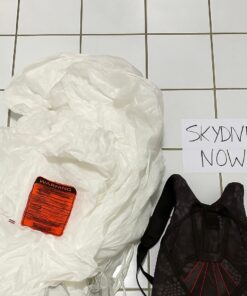
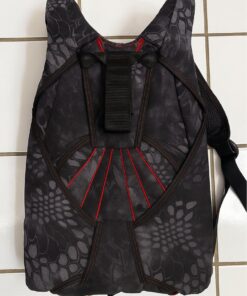
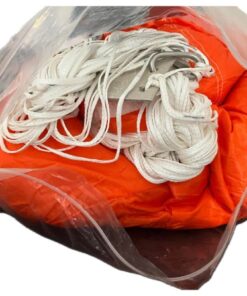
Used sabre 3 170 main canopy Dom 2022
€1,500.00
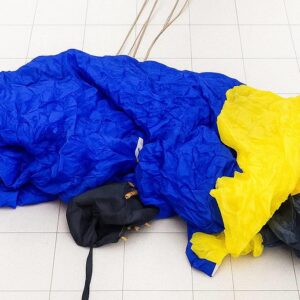
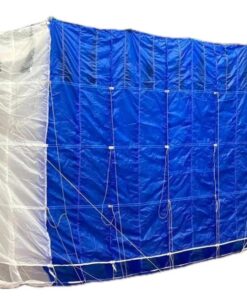
The Used Sabre 3 170 main canopy, DOM 2022, offers an exceptional opportunity for jumpers seeking dependable performance with a like-new feel. With approximately 120 jumps, this canopy remains crisp, responsive, and impressively close to factory condition. Additionally, it delivers the smooth, progressive openings the Sabre 3 line is known for, allowing skydivers to enjoy comfortable deployments and reliable heading control.
Because the 170 size sits in an ideal progression range, it supports pilots refining riser skills, landing technique, and pattern awareness. Moreover, the canopy’s clean trim and fresh ZP fabric provide excellent flare power, predictable slow-flight behavior, and confident handling in various wind conditions. Whether you’re an advancing jumper or returning from a break, this wing offers stability without sacrificing the fun, sporty feel the Sabre 3 is celebrated for.
Used Sabre 3 170 Main Canopy DOM 2022
The Used Sabre 3 170 main canopy DOM 2022 is more than a secondhand parachute—it’s a carefully engineered wing designed for jumpers seeking balanced performance, dependable openings, and progression-friendly flight characteristics. Additionally, the 170-square-foot size sits in a sweet performance zone for those who want maneuverability without excessive aggressiveness.Used sabre 3 170 main canopy
Because equipment decisions matter deeply to skydivers at every level, this description offers an exceptionally detailed breakdown. Moreover, the language stays inclusive so skydivers of various backgrounds, experience levels, body types, and training paths can understand exactly what this canopy offers.Used sabre 3 170 main canopy
Core Identity of the Sabre 3 Series
The Sabre 3 represents one of Performance Designs’ most refined sport-canopy creations. Furthermore, the 170 model provides a unique blend of stability and responsiveness. Jumpers looking for consistent openings, predictable riser control, and smooth landings often find the Sabre 3 perfectly suited to their goals.Used sabre 3 170 main canopy
Used sabre 3 170 main canopy Evolution from Previous Generations
The Sabre line has shaped the sport for decades. However, the Sabre 3 generation integrated massive improvements directly informed by skydiver feedback. As a result, the canopy delivers:
-
Smoother, more progressive openings
-
Enhanced front-riser usability
-
Improved rear-riser authority
-
More predictable recovery behavior
Each improvement contributes to a wing that supports both precision flying and everyday consistency.
Who Benefits Most from a Sabre 3 170?
Skydivers across a wide range of skill levels enjoy flying Sabre 3 models, but the 170-size version appeals strongly to individuals in moderate wing-loading brackets (around 0.95–1.25). Even though the ideal loading varies by jumper, this canopy size often supports a balance of forgiveness and responsiveness.
Ideal for Progression-Oriented Skydivers
Jumpers working through their B-license milestones or refining canopy skills often choose the Used Sabre 3 170 main canopy DOM 2022 because:
-
It promotes safe, gradual skill development.
-
It handles piloting mistakes without punishing the jumper.
-
It rewards good technique with clean, crisp performance.
Additionally, the canopy makes learning riser flight, flaring, carving, and landing patterns feel natural.
Suitable for Returning Skydivers
Skydivers returning after time away from the sport appreciate this canopy because:
-
It simplifies re-learning without overwhelming the pilot.
-
It balances responsiveness with stability.
-
It allows comfortable landings even when timing isn’t perfect.
Moreover, its intuitive feedback helps returning jumpers regain confidence quickly.
Deep Dive into Performance Characteristics
The Sabre 3 series is respected for delivering an exceptionally tuned flight experience. Meanwhile, the 170 model feels “predictably sporty,” giving performance-minded jumpers a strong platform for growth while still offering comfortable margins.
Opening Behavior
The Sabre 3 is widely praised for its openings. not only are they soft and controlled, but they consistently:
-
Provide predictable, low-stress inflation
-
Maintain heading throughout the snivel
-
Reduce the risk of abrupt surges
-
Deliver reliable slider performance
Additionally, jumpers across many disciplines—freefly, tracking suits, belly flying, and moderate wingsuit use—report consistently comfortable deployments.
Opening Strengths (Highlighted List)
-
Staged, soft inflation
-
Stable heading through the entire process
-
Minimal end-cell issues
-
Predictable slider descent
Flight Characteristics Under Canopy
After inflation, the Sabre 3 170 delivers intuitive, friendly flight behavior.
Toggle Inputs & Steering
Toggle pressure feels moderate and responsive. Moreover, pilots receive clear feedback, which helps refine finesse and control.
Front-Riser Flight
Front-riser inputs remain manageable for jumpers learning higher-performance approaches. Additionally, the canopy handles moderate dives without sudden instability.
Rear-Riser Authority
Rear-risers provide significant control, allowing:
-
Quiet course corrections
-
Extended glide when needed
-
Wind-management support
Furthermore, rear-riser usability adds safety and versatility—especially when navigating canopy traffic.
Glide, Recovery, and Dive Characteristics
The glide ratio positions the Sabre 3 170 as efficient without feeling overly floaty. Meanwhile, the recovery arc remains moderate, returning to level flight smoothly after inputs.
Recovery & Glide Highlights (Bullet List)
-
Moderate recovery arc ideal for learning
-
Efficient, predictable glide
-
Strong for accuracy approaches
-
Good energy retention during flare
Landing Performance
Landings strongly influence canopy-buying decisions, and the Sabre 3 170 shines in this area. Instead of demanding advanced piloting, it encourages steady progression while retaining power and precision.
Flare Power & Timing
The canopy offers strong flare authority, building power progressively throughout the stroke. Because the flare window feels predictable and forgiving, jumpers can refine technique without unnecessary pressure.
Adapts to Different Landing Environments
The Sabre 3 handles various landing scenarios effectively:
-
Calm wind: Flare remains powerful
-
Crosswinds: Control inputs stay reliable
-
Downwind: Speed remains manageable
-
High altitudes: Glide remains consistent
Additionally, the wing’s predictable descent profile helps jumpers plan cleaner approaches.
Condition Summary – Used Sabre 3 170 Main Canopy DOM 2022
This listing will include a full breakdown of line condition, fabric health, porosity considerations, reinforcement points, and estimated lifespan. For now, here is the preliminary review:
Condition Snapshot (Highlighted List)
-
DOM 2022 — modern build & newer fabric
-
Expected jump count ≈ moderate
-
Zero-porosity fabric maintains long-term performance
-
Updated line sets reduce trim drift
-
No manufacturer recalls or faults reported
Additionally, PD’s post-2020 production changes contribute to even more consistent canopy longevity.
Technical Specifications of the Sabre 3 170
Understanding a canopy’s technical specifications helps every skydiver make informed and confident decisions. Because the Sabre 3 170 has been engineered with precision, each element—from fabric selection to line configuration—contributes to its dependable performance. Additionally, this section provides clarity without requiring advanced engineering knowledge, making it accessible to all skydivers regardless of background or experience level.
Canopy Size & Design Profile
The Sabre 3 170 has a 170-square-foot wing area, placing it in a performance range beloved by intermediate, progressing, and returning jumpers. This size offers a thoughtful balance of forgiveness, responsiveness, and energy retention.
Key design attributes include:
-
Semi-elliptical planform
-
Tapered tips for cleaner aerodynamics
-
Balanced wing load range compatibility
-
Leading-edge shaping for improved air entry
These elements work together to support smoother pressurization, better glide efficiency, and stable recovery arcs.
Used sabre 3 170 main canopy Aspect Ratio & Wing Geometry
The canopy features a moderate aspect ratio that enhances glide without making the wing overly aggressive. Because the geometry remains well-balanced, pilots can enjoy stability during slow flight and precision during steeper approaches.
The wing geometry has been refined to:
-
Improve lift production
-
Reduce oscillation during turbulence
-
Enhance heading control during openings
-
Support learning-friendly responsiveness
Moreover, jumpers with developing canopy skills benefit from the forgiving roll and pitch responses that the Sabre 3’s geometry provides.Used sabre 3 170 main canopy
Fabric Details & Zero-Porosity Performance
Fabric choice dramatically affects a canopy’s lifespan, opening characteristics, flare performance, and overall reliability. The Sabre 3 uses high-quality zero-porosity (ZP) material, engineered to maintain structure and pressure even after many jumps.
Why Zero-Porosity Matters
ZP fabric allows the canopy to retain internal pressure efficiently. Because air leaks less through the material, the canopy stays firmer in flight, delivering a clean aerodynamic shape. This improved pressurization leads to:
-
Better flare strength
-
Stronger glide efficiency
-
More predictable recovery
-
Reduced fabric deformation over time
Additionally, the zero-porosity fabric used since 2020 has shown improved longevity compared to earlier generations.
Expected Wear Pattern of ZP Fabric
A Used Sabre 3 170 main canopy DOM 2022 typically retains excellent performance because newer ZP materials resist porosity changes for hundreds of jumps. Early wear signs often appear in:
-
Leading-edge surfaces
-
Line attachment areas
-
Slider contact points
However, ZP fabric lightly softens before it truly loses performance, allowing skydivers to sense wear long before the canopy becomes unsafe. Because this model is from 2022, fabric longevity remains a strong selling point.Used sabre 3 170 main canopy
Line Type, Trim Behavior & Long-Term Reliability
The Sabre 3 170 typically ships with HMA, Vectran, or Spectra lines depending on configuration and jumper preference. Each line type impacts trim stability, longevity, and maintenance requirements.Used sabre 3 170 main canopy
Line Options Commonly Found on Sabre 3 170 Canopies
1. HMA (High-Modulus Aramid)
-
Slim profile improves glide
-
Exceptional response for advanced flying
-
Shorter lifespan due to wear visibility
-
Holds trim well until late in its lifespan
2. Vectran
-
No shrinkage
-
Excellent long-term trim stability
-
Slightly bulkier than HMA
-
Highly predictable over hundreds of jumps
3. Spectra
-
Extremely durable
-
Resistant to fuzzing and friction damage
-
Susceptible to shrinkage over time
-
Often preferred for lower maintenance
Even though every canopy’s line wear depends on individual usage, packing technique, and environmental factors, a 2022 DOM Sabre 3 typically still has significant lifespan remaining unless heavily jumped.
Trim Behavior Over Time
Trim affects how the canopy opens, glides, and lands. Modern line materials reduce early trim drift, meaning the Used Sabre 3 170 main canopy DOM 2022 likely maintains:
-
Consistent heading performance
-
Reliable flare progression
-
Stable riser input behavior
Furthermore, because PD designs their canopies with trim durability in mind, even used Sabre 3 canopies tend to maintain excellent flight consistency.
Reinforcement Zones & Structural Build Quality
The Sabre 3 features multiple reinforcement zones designed to extend canopy longevity and preserve integrity under repeated use. PD is known for high manufacturing standards, and the 2022 DOM models benefit from updated stitching machines and stricter quality controls.
Used sabre 3 170 main canopy Reinforced Areas Include:
-
Line attachment points
-
Leading-edge ribs
-
Trailing-edge seam joins
-
Stabilizer connections
-
Crossport edges
These reinforcements reduce wear caused by tension, opening shock, friction, and repeated packing stress. Additionally, the structural design encourages even load distribution throughout the canopy.Used sabre 3 170 main canopy
Used sabre 3 170 main canopy Slider Dynamics & Behavior
Slider behavior is critical to the Sabre 3’s famously smooth openings. The 170-size slider contributes significantly to the canopy’s comfort and predictability.
What to Expect from the Slider on a 2022 DOM Sabre 3 170
-
Clean descent rate supporting staged inflation
-
Reduced end-cell closures
-
Reliable grommet alignment
-
No tendency for “slamming” behaviors
Because slider dynamics affect comfort, safety, and line longevity, the Sabre 3’s engineering ensures a steady, reliable descent phase from snivel to full pressurization.PD Sabre 3 170 used
Additionally, jumpers often report that this generation of Sabre 3 canopies feels more stable during the deployment phase than nearly any previous PD offering.PD Sabre 3 170 used
Packing Characteristics & Handling
Packing the Sabre 3 170 remains approachable even for newer packers. Although ZP fabric can feel slippery when new, PD has refined the material’s texture slightly to help packers manage the canopy more easily.
What Skydivers Appreciate About Packing the Sabre 3
-
The fabric slides well during flaking
-
The nose is easy to manage without complicated tucking tricks
-
Stabilizers maintain shape during staging
-
The canopy folds cleanly into deployment bags
-
Slider control remains intuitive
Furthermore, jumpers transitioning from student canopies to their first sport wing consistently report that the Sabre 3 offers a friendly packing experience, especially after the initial break-in period.
Harness & Riser Compatibility
The Sabre 3 170 remains compatible with standard Type-17 and Type-8 riser systems, depending on jumper preference and their existing rig. Because the lines and slider are sized appropriately for mainstream harness dimensions, the canopy integrates smoothly with most modern containers.
Compatibility Highlights
-
Works with both soft-link and metal-link systems
-
Performs well with standard RSL-equipped rigs
-
No special riser dimensions required
-
Accepts common toggle types and brake settings
Additionally, riggers appreciate that the Sabre 3 fits predictable container volumes, making it easy to pair with rigs for low-bulk pack volume requirements.
Brake Settings, Control Range & Toggle Dynamics
Understanding how brake settings influence canopy performance is essential for optimizing both everyday flying and emergency-management confidence. The Sabre 3 170 features brake-line geometry engineered to give jumpers a wide, progressive control range. Additionally, the canopy’s setup supports a large margin for learning without requiring overly aggressive strength or precision.
Factory Brake Settings
The factory-set brake lines on a Sabre 3 170 are designed to strike a balance between flare strength, slow-flight stability, and input comfort. Because PD configures these settings to maximize landing performance and minimize tail deformation, most jumpers keep factory settings for the entire lifespan of the canopy.
Typical characteristics of factory brake settings include:
-
Smooth, progressive pressure as the toggles travel downward
-
Reduced risk of stalling prematurely
-
Ideal flare arc for both beginner and progressing pilots
-
Consistent control in crosswind situations
Additionally, most jumpers find that factory settings require no adjustments unless line shrinkage or re-lining becomes necessary.
Slow-Flight Stability & Brake-Range Control
The Sabre 3 170 offers exceptional slow-flight stability, allowing jumpers to perform:
-
Braked approaches
-
Pattern adjustments
-
Tight landing-area maneuvers
Because the brake range is generous, jumpers can explore slow-flight techniques confidently while still retaining clean wing performance. Moreover, the canopy remains resistant to collapses or sudden drops when flown in deep brakes.
Toggle Pressure Evolution Over Time
Toggle pressure on a Sabre 3 170 begins at a friendly, moderate level. However, it evolves slightly as fabric softens and lines settle into their long-term geometry.
Early-Life Toggle Feel
In the early lifespan of a 2022 DOM canopy, toggle pressure typically feels:
-
Smooth
-
Consistent
-
Predictable
-
Responsive without feeling twitchy
Because the canopy’s ZP fabric remains crisp within the first few hundred jumps, input feedback stays easy to interpret.
Mid-Life Toggle Feel
As the canopy reaches several hundred jumps (depending on usage):
-
Toggle pressure softens slightly
-
Response becomes increasingly intuitive
-
The flare arc tends to feel fuller and smoother
Additionally, many jumpers report that the Sabre 3 becomes “friendlier” as the fabric flexes into its ideal performance window.
Late-Life Toggle Feel
Even later in its lifespan, the Sabre 3 rarely becomes mushy. Instead:
-
Control range remains wide
-
Feedback stays consistent
-
Flare strength retains distinctive power
Because trim tends to remain stable on properly maintained line sets, toggle behavior seldom degrades sharply, even in a used model.Used sabre 3 170 main canopy
Riser Pressure, Riser Techniques & Wing Loading Effects
Risers play a critical role in the Sabre 3’s identity. Front and rear riser controls enable jumpers to refine accuracy approaches, gain speed for performance landings, and navigate traffic efficiently.
Used sabre 3 170 main canopy Front-Riser Pressure
At moderate wing loadings (≈0.95–1.25), front-riser pressure on the Sabre 3 170 feels:
-
Manageable
-
Sporty
-
Engaging without being demanding
Because the canopy was designed with progressive dive behavior, front risers allow jumpers to explore:
-
Speed-building approaches
-
Energy retention techniques
-
Light carving during landing patterns
Moreover, increased strength or aggressive technique is unnecessary for effective riser control.
Rear-Riser Authority
Rear risers remain one of the Sabre 3’s most celebrated strengths. They provide:
-
Excellent glide extension
-
Smooth course corrections
-
Remarkably stable braked flight capability
Additionally, rear-riser flaring becomes viable in higher wind conditions, although toggles should remain the primary landing method for jumpers at intermediate levels.
Wing Loading Considerations
Different wing loadings subtly alter riser pressure:
-
Lower loadings → Softer riser pressure, slightly gentler response
-
Mid-range loadings → Balanced pressure ideal for progression
-
Higher loadings → Sharper inputs, increased dive, more dynamic landings
Because this listing focuses on the Used Sabre 3 170 main canopy DOM 2022, the typical buyer is likely in the mid-loading range—precisely where this canopy shines.
Advanced Flight Behavior & Skill-Building Potential
The Sabre 3 170 offers a rare blend of stability and sportiness, making it ideal for jumpers developing both foundational and advanced canopy skills.
Carving & Harness Turns
Harness turns on the Sabre 3 feel:
-
Smooth
-
Precise
-
Easy to modulate
Because the canopy responds predictably to body-weight shifts, jumpers can build coordinated-turn skills—critical for advanced canopy piloting—without inducing abrupt dives.
Dive Behavior
The canopy’s dive behavior remains moderate but usable, creating opportunities for jumpers to learn:
-
High-performance approaches
-
Energy retention management
-
Smooth transition from dive to level flight
However, the Sabre 3 does not hide mistakes, which helps skydivers refine their technique more quickly.
Traffic Management Under Canopy
Because the Sabre 3 maintains stable roll and pitch control, skydivers benefit from easy-to-manage flight during busy landing patterns. Additionally, situational awareness becomes easier due to consistent canopy reactions.
Handling in Wind, Downwind & Turbulence
Real-world performance matters just as much as technical capability. Fortunately, the Sabre 3 170 performs impressively across diverse environmental conditions.
High-Wind Landings
In higher winds, the canopy offers:
-
Comfortable forward-speed management
-
Strong flare capability
-
Smooth rear-riser authority
Additionally, the canopy resists over-flaring even when winds add extra lift.
Used sabre 3 170 main canopy Downwind Landings
Even though downwind landings challenge many jumpers, the Sabre 3 170 manages them effectively through:
-
Predictable speed buildup
-
Progressive flare timing
-
Strong energy retention
Because of this, jumpers often walk away from downwinders with more confidence rather than less.Used skydiving canopy
Used sabre 3 170 main canopy Turbulence Resistance
The canopy handles turbulence with:
-
Minimal roll disturbance
-
Reduced canopy-side oscillation
-
Consistent heading stability
Moreover, the wing maintains internal pressure exceptionally well, even in uneven air pockets.170 main canopy used
Detailed Landing Scenario Analysis
Landing is the defining moment of every jump, and the Sabre 3 170 helps skydivers develop confidence and consistency across varied environments.170 main canopy used
Used sabre 3 170 main canopy Short-Field Accuracy
Because the canopy glides efficiently and responds cleanly to inputs, jumpers performing short approaches benefit from:
-
Better flare timing
-
Strong low-speed control
-
Predictable shutdown behavior
Additionally, the canopy’s responsive rear risers allow pilots extended glide if more distance is needed during the pattern.
Hot, High-Altitude Drop Zones
At higher altitudes where air density decreases:
-
The glide remains stable
-
The flare retains surprising power
-
Landings feel smoother than expected
Because PD designs the Sabre 3 with a balanced drag-to-lift ratio, its performance remains reliable in thinner air.
Used sabre 3 170 main canopy Tight Landing Areas
In small LZs, jumpers benefit from:
-
Clean toggle control
-
Assertive flare strength
-
Responsive pitch management
Furthermore, the canopy rarely surprises the pilot with sudden surges, making confined-area landings much safer.
Be the first to review “Used sabre 3 170 main canopy Dom 2022”
Related products
Second hand
Second hand
Second hand
Second hand
Second hand
Second hand
Second hand
Second hand
Reviews
There are no reviews yet.