
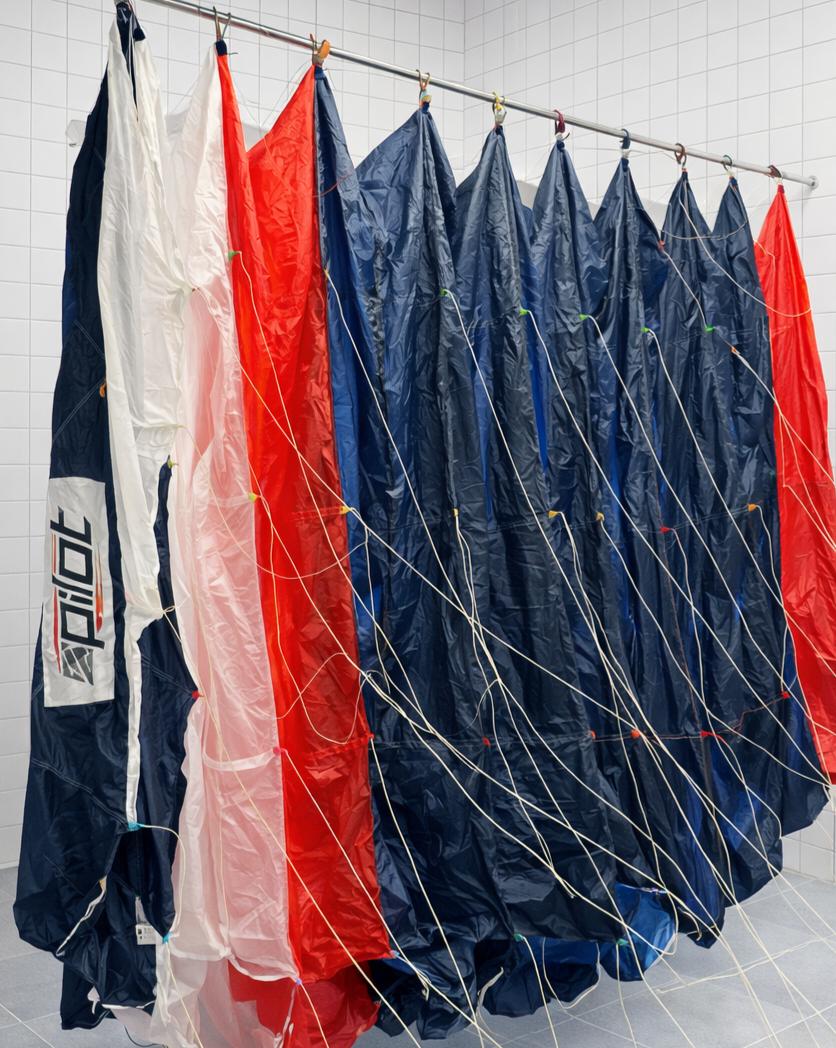
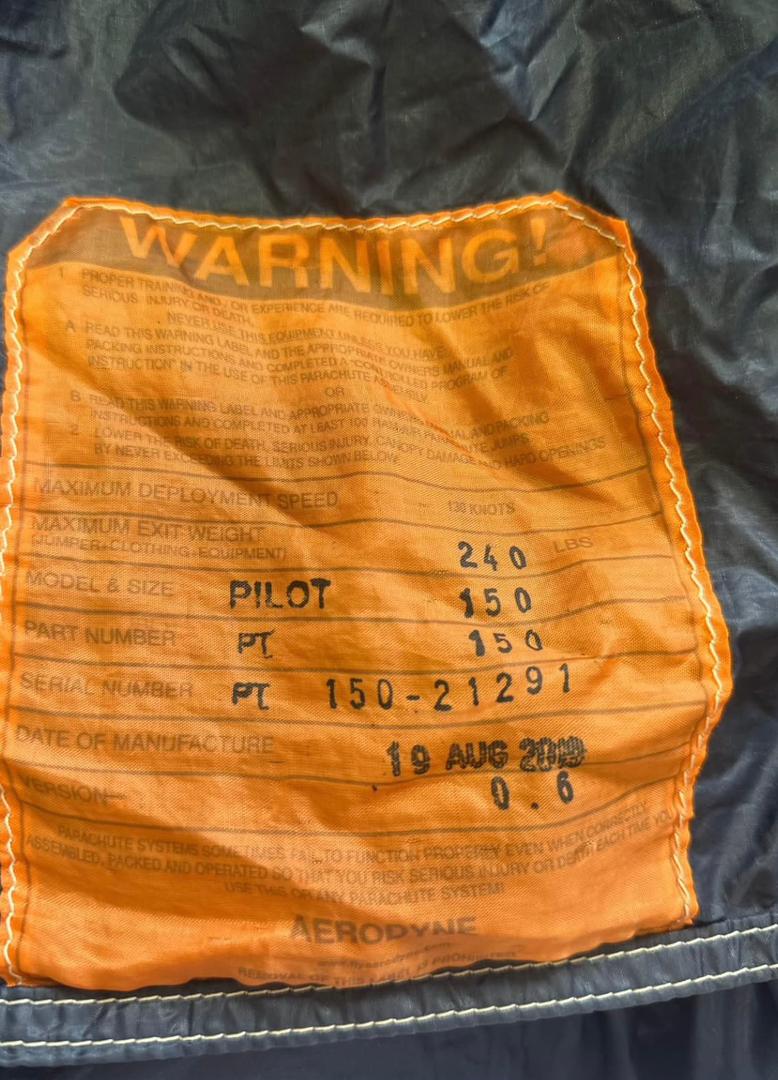
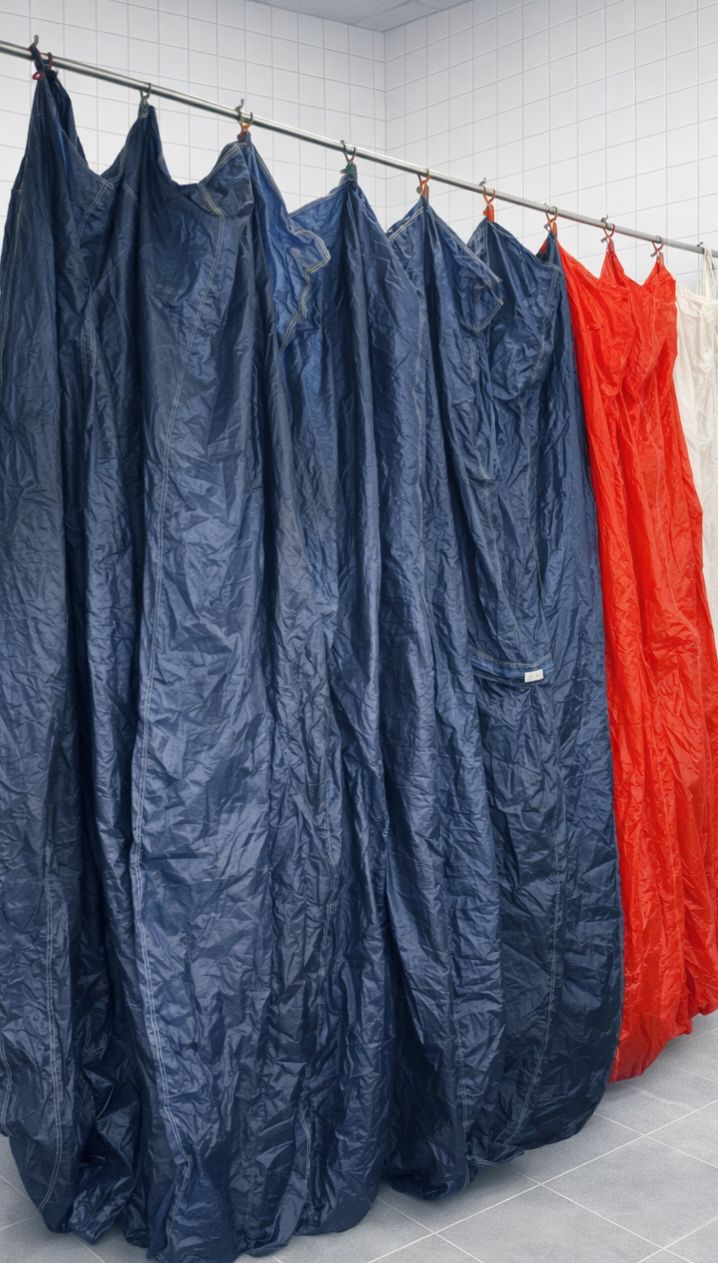
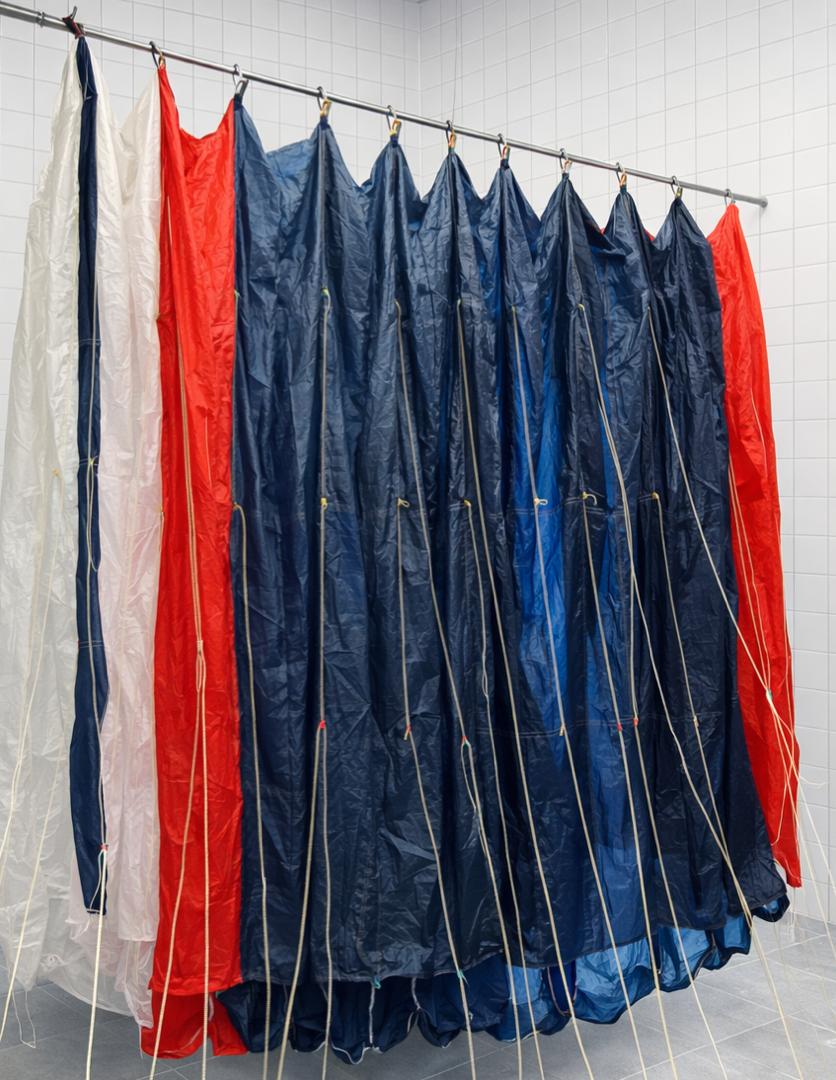
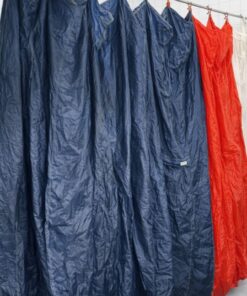
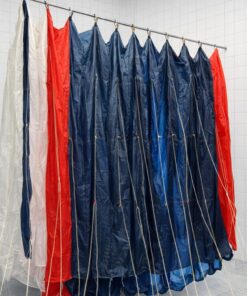
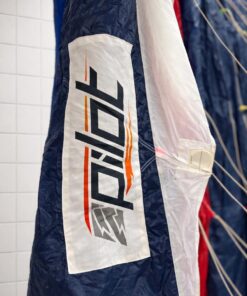
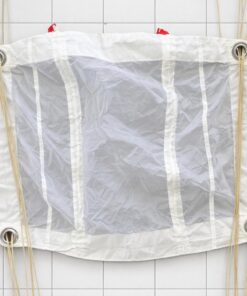
Used Aerodyne Pilot 150 ZP Dom 2019
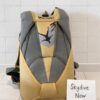
€1,100.00
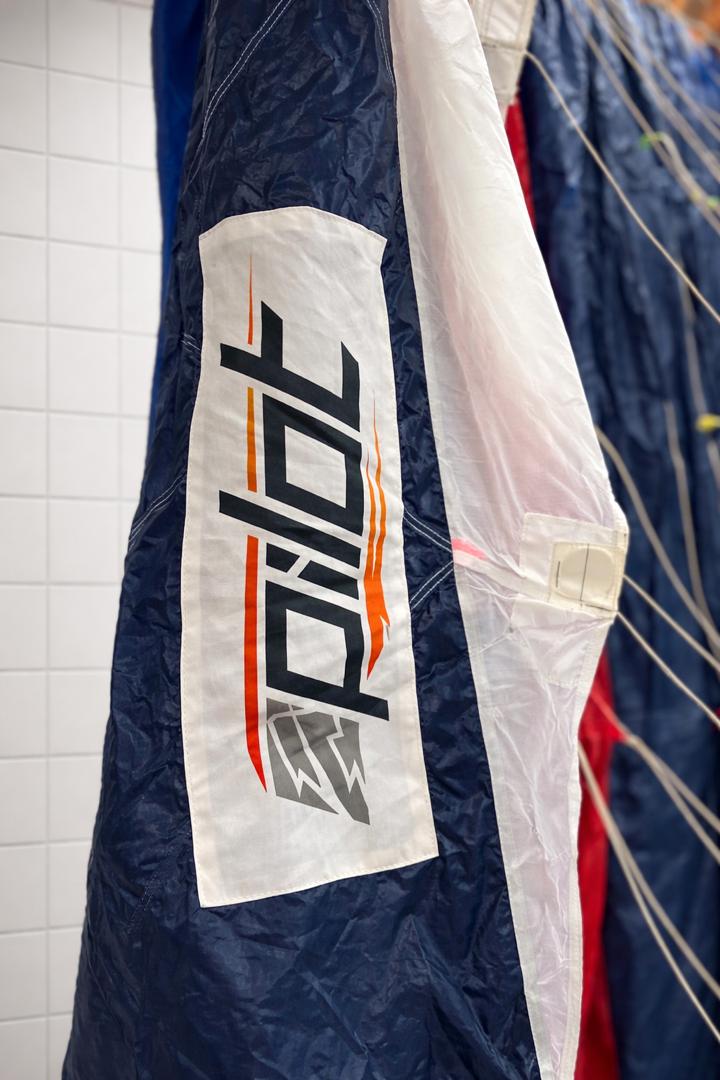
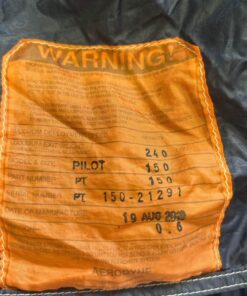
Excellent Condition Statement: 100 Jumps with No Damage or Repairs
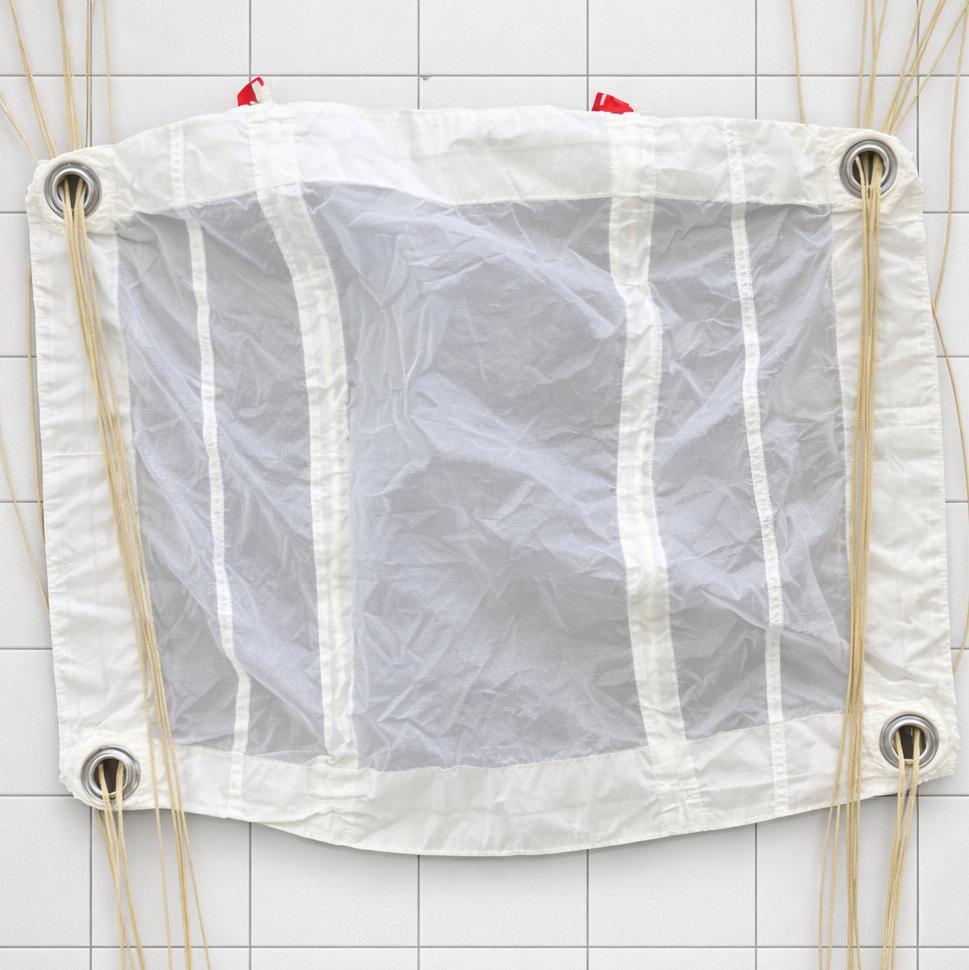
This Used Aerodyne Pilot 150 ZP sits firmly in the excellent-condition tier and demonstrates the care expected from a well-maintained canopy. It shows approximately 100 jumps, which positions it early in its performance lifespan for a ZP wing of this category. No rigger-identified damage exists, and no repairs have ever been performed. Furthermore, the fabric maintains healthy crispness, the line set reflects clean alignment, and the slider hardware presents no deformation or wear concerns.
In addition, the attachment points, brake settings, and stitching hold integrity consistent with responsible packing and transport habits. The ZP fabric still retains strong pressurization behavior, offering the inflation quality that pilots expect from this model. Consequently, the canopy offers buyers a confidence-forward ownership experience without the uncertainty that sometimes accompanies older used gear.
Because the condition remains verifiable, this Pilot 150 ZP appeals to intermediate jumpers, returning flyers, and anyone seeking a progression-friendly wing without hidden issues. It provides a trustworthy balance of reliability, longevity, and performance identity. Confirmation through a rigger remains welcome, although current inspection alignment supports its excellent standing.
Used Aerodyne Pilot 150 ZP – Confidence, Control, and Predictable Flight Performance
The Used Aerodyne Pilot 150 ZP delivers a fusion of reliability, stability, and responsive control that appeals to skydivers ready to advance their canopy handling with clarity and confidence. This model remains widely recognized across dropzones, instructional programs, and progressive jump communities for its balanced performance profile. Because its inflation characteristics trend toward consistent, comfortable opening sequences, many individuals select it when transitioning from larger beginner canopies into wings that encourage deeper skill development.
Although every canopy responds differently based on wing loading, rig configuration, and packing technique, the Pilot 150 ZP maintains a legacy of predictable forward drive and tactile input feedback. Therefore, it aligns with the expectations of jumpers who want to experience performance without entering the aggressive behavior range of more elliptical designs. Moreover, it supports pattern discipline, approach accuracy, and flare timing in a way that promotes growth without introducing unnecessary risk.
The Used Aerodyne Pilot 150 ZP also appeals to returning skydivers, especially those refining canopy awareness after time away from the sport. Because the wing supports progressive development rather than demanding expert-level familiarity, individuals frequently describe it as a practical, confidence-building bridge between early progression and advanced flight environments. Consequently, both recreational and skills-focused flyers acknowledge it as a model that rewards thoughtful piloting.
Why the Used Aerodyne Pilot 150 ZP Stands Out
Designed for Predictable Openings and Smooth Forward Flight
The Pilot 150 ZP’s opening profile remains one of the primary reasons jumpers gravitate toward it. Furthermore, its inflation rate and pressure management typically generate stability from the moment the canopy begins to pressurize. Although factors such as pack job quality and harness fit create natural variables, the model’s design architecture promotes a smoother, more structured deployment than many comparable wings in its category.
The Advantage of Zero Porosity (ZP) Fabric
Zero Porosity fabric technology plays a central role in the canopy’s reliable behavior. Because ZP reduces permeability and retains pressure, the wing maintains structural consistency throughout its lifespan. Additionally, ZP construction supports consistent flight characteristics even as a canopy accrues jumps. While proper inspection remains essential, individuals shopping for a used canopy often appreciate the durability and longevity associated with this material type.Used Aerodyne Pilot 150 ZP
Harness-Friendly Handling With Inclusive Performance Range
The Pilot 150 ZP aligns with a broad spectrum of body types, wing loadings, and harness configurations. Moreover, it supports diverse goals: casual jumpers benefit from the predictability; disciplined pattern flyers gain precision; skill-development students practice inputs without punitive responses. Therefore, its reputation as an inclusive canopy model persists.
Technical Specifications and Performance Expectations
Core Canopy Attributes
-
Model: Used Aerodyne Pilot 150 ZP
-
Surface Area: 150 sq ft
-
Material: Zero Porosity (ZP) performance nylon
-
Known Advantages: Balanced control, predictable openings, controlled flare power
-
Ideal Experience Level: Intermediate, transitional, and returning jumpers
-
Notable Behavior: Responsive without feeling aggressive; supportive during skill growth
Because transparency supports informed purchasing decisions, it is recommended that buyers confirm wing loading, pack volume, and rig compatibility with a certified rigger. Additionally, measuring exit weight ensures an accurate understanding of how the canopy’s performance will translate in flight.
Benefits for Intermediate and Returning Skydivers
The Used Aerodyne Pilot 150 ZP consistently appeals to jumpers advancing out of larger canopies. Furthermore, it creates space for skill development without escalating complexity beyond what most disciplined learners can handle. Although not a beginner canopy, it performs as a logical next step for those comfortably managing pattern work, flare timing, and traffic awareness.

Skill-forward advantages include:
-
Increased responsiveness that builds precision control
-
Smooth, stable inflation promoting calmer deployment sequences
-
Forward drive suitable for accuracy and target-landing practice
-
Feedback-rich toggles that encourage awareness of input technique
-
Landing characteristics that reward timing rather than punishing mistakes
Because confidence determines growth pace, the Pilot 150 ZP’s approachable performance profile supports personal advancement without sacrificing emotional comfort.
Condition, Safety, and Ownership Confidence
Anyone evaluating a used canopy benefits from clarity, inspection structure, and buy-ready expectations. Therefore, condition transparency matters. Although the condition of each canopy varies, the following inspection points apply to the Used Aerodyne Pilot 150 ZP category.
Inspection Points to Review:
-
Line set alignment, wear pattern, and brake setting integrity
-
ZP fabric condition, crispness, and residual porosity characteristics
-
Reinforced panels, stabilizers, and load-bearing attachment areas
-
Slider grommets, stitching consistency, and hardware connection points
-
Pack volume behavior when matched with the intended container
A certified rigger should confirm airworthiness and compatibility prior to integration with a harness-container system. Although most Pilots retain favorable flight identities with age, professional inspection supports responsible ownership.
Product Listing Summary for Buyers
-
Used Aerodyne Pilot 150 ZP canopy (150 sq ft)
-
Zero Porosity fabric for sustained pressurization and performance
-
Progressive handling without excessive aggression
-
Ideal for intermediate and returning skydivers refining canopy control
-
Smooth openings, forward drive, and supportive landing characteristics
-
Recommended rigger confirmation for fit, load, and container compatibility
Condition Tiers, Pricing Logic, and Buyer Expectations
The market for a Used Aerodyne Pilot 150 ZP depends heavily on condition transparency. Because used canopies vary in handling life, line retention, and fabric behavior, accurate classification strengthens trust and accelerates confident purchase decisions. Although each canopy’s history is unique, the segment below establishes common-tier expectations. Additionally, these descriptions support SEO through clarity and user-intent matching.
Tier 1: Excellent Condition (Premium Used Range)
A Used Aerodyne Pilot 150 ZP in excellent condition typically demonstrates minimal jump wear while retaining crisp ZP characteristics. Moreover, line sets appear aligned, slider hardware remains stable, and fabric panels exhibit preserved surface tension.
Common indicators:
-
Crisp ZP fabric with minimal porosity change
-
Brake settings aligned and factory-standard unless documented otherwise
-
Slider grommets smooth, non-deformed, and free of stress marks
-
Canopy trim symmetry consistent through flare and toggle inspection
-
Storage behavior consistent with protective packing practices
Expected pricing behavior:
-
Near the upper spectrum of used canopy value
-
Incremental premium justified by longevity and minimized maintenance
-
Higher buyer confidence, especially for developing jumpers
Tier 2: Mid-Range Condition (Value-Focused)
A Mid-Range Used Aerodyne Pilot 150 ZP attracts buyers interested in performance at a competitive price. Additionally, line sets may show reasonable wear without compromising flight identity. Fabric crispness may soften slightly, although that change remains typical for normal use. Consequently, this tier often sells fastest due to its balance between cost and utility.
Common indicators:
-
Noticeable but non-critical line wear
-
Predictable inflation traits during deployment
-
Stable pattern flight with observable control feedback
-
Mild discoloration or dye-lightening consistent with sunlight exposure
-
Slider operation normal under average packing environments
Expected pricing behavior:
-
Squarely positioned for cost-conscious buyers
-
Highly competitive when professionally inspected
-
Preferred by returning jumpers seeking re-entry confidence
Tier 3: Budget/Training Condition (Entry-Level Pricing)
Budget-tier Pilots typically appear at the lowest end of the market. Because this tier may require maintenance, reline services, or reinforcement review, it demands clear buyer alignment. Although the canopy often remains flyable with rigger approval, logistics planning is essential.
Common indicators:
-
Softened ZP fabric feel from high jump counts
-
Documented reline history recommended or required
-
Surface tension changes noticeable during inflation
-
Occasional slider or stitching attention required
Expected pricing behavior:
-
Attractive pricing for training systems or backup rigs
-
Cost offset should include rigger evaluation budgeting
-
Appropriate only when professional oversight is confirmed
Rigger Notes and Inspection Guidance
Pre-Purchase Inspection Steps
A certified rigger can accelerate confidence by reviewing the Used Aerodyne Pilot 150 ZP with structured consistency. Because structure influences canopy identity, thoughtful evaluation protects value.
Recommended inspection workflow:
-
Evaluate fabric tension from center cell outward
-
Review trim condition at brake lines and control links
-
Confirm slider travel smoothness and hardware integrity
-
Inspect load-bearing seams for thread fatigue
-
Check line cascade transitions for stiffness or uneven wear
-
Document jump estimate based on visual indicators rather than seller claims
Furthermore, prospective buyers benefit from requesting inspection notes to pair with rig compatibility guidance. Consequently, post-evaluation transparency improves purchase satisfaction.
Compatibility and Fit Considerations
System Fit and Container Matching
Although the Pilot 150 ZP fits a broad range of harness-container systems, container volume tolerance and pilot experience must align. Therefore, riggers emphasize caution when matching pack volume with marginal containers.
Used Aerodyne Pilot 150 ZP Compatibility checkpoints:
-
Pack volume alignment relative to container size chart
-
Wing loading calculation based on exit weight, not body weight alone
-
Harness geometry impact on flight identity
-
Brake line configuration compared to factory standards
-
Toggle stroke range relative to flare arc
Wing Loading and Progression Transparency
Because performance changes when wing loading changes, buyer expectations must remain realistic. Moreover, wing loading shapes landing speeds, traffic pattern behavior, and riser response.
Used Aerodyne Pilot 150 ZP Progression indicators:
-
0.9–1.1: Conservative handling with measured responsiveness
-
1.1–1.2: Transitional range for disciplined flyers with canopy coaching
-
1.2–1.3: More dynamic flight identity requiring experience and situational awareness
-
1.3+ : Advanced use case; not suitable for most returning jumpers
Although these numbers vary by individual and training environment, they create early reference points.
Conversion-Focused Buyer Positioning
Because purchase decisions improve when emotional certainty meets practical validation, the language below supports e-commerce listings and direct sales pages.
Listing-Ready Highlights:
-
Confidence-building performance for progressive pilots
-
Smooth openings suited for skill development
-
ZP construction engineered for pressurization and longevity
-
Consistent flare arc supporting accuracy-focused landings
-
Ideal choice for transitional skill growth and re-entry pilots
-
Balanced forward drive without demanding elliptical discipline
Trust-Building Offer Language
Buyers respond positively when clarity replaces pressure. Consequently, transparent positioning increases conversion.
Suggested positioning:
-
“Professionally inspected with rigger guidance recommended prior to integration”
-
“Performance evaluated for condition tier before listing”
-
“Progression-friendly control curve for developing jumpers”
-
“Inclusive canopy model supporting a range of body types and learning speeds”
Buyer Persona Targeting and Intent Segmentation
The market for a Used Aerodyne Pilot 150 ZP does not represent a single buyer profile; instead, it reflects several distinct personas united by overlapping needs: progression stability, opening reliability, canopy coaching alignment, and confidence-focused flight identity. Because purchase intent varies, every segment benefits from message tailoring that meets their evaluation mindset.Used Aerodyne Pilot 150 ZP
Persona 1: The Intermediate Progression Jumper
This individual recently stepped down from a larger canopy and feels comfortable with pattern management. Because progression matters, they seek a wing that offers increased responsiveness without demanding elliptical-level discipline. Additionally, they prioritize consistent openings and landings that reward skill growth.Used Aerodyne Pilot 150 ZP
Primary motivators:
-
Predictable inflation while refining deployment technique
-
Balanced flight identity without surprise behavior
-
Tangible feedback cues during flare timing
-
Performance growth without intimidation
Search behaviors and keyword cues:
-
“Best canopy after student gear”
-
“Progression canopy recommendations”
-
“Used Aerodyne Pilot 150 ZP for step down”
Persona 2: Returning Jumper Re-Entry Pilot
This persona paused skydiving due to life, health, or logistical factors and now seeks a wing that reconnects them to canopy awareness. Although they maintain foundational knowledge, they want reassurance and reliability before exploring more advanced wings.
Primary motivators:
-
Familiar handling to rebuild confidence
-
Stability during traffic-pattern reintegration
-
Control range that supports decision-making clarity
-
Safety prioritization without stagnation in skill growth
Search behaviors and keyword cues:
-
“Canopy for returning skydiver”
-
“Used Aerodyne Pilot 150 ZP for re-entry”
-
“Confidence canopy with predictable openings”
Persona 3: Accuracy-Focused Recreational Flyer
This persona enjoys relaxed skydiving and wants repeatable, targeted landings with forward drive that supports accuracy objectives. Because their enjoyment depends on clear pattern instruction, they value predictable flare arcs and manageable ground speed.Used Aerodyne Pilot 150 ZP
Primary motivators:
-
Pattern discipline support
-
Responsive toggles without abrupt behavior
-
Reduced emotional load during landing decisions
-
Community-validated reliability
Search behaviors and keyword cues:
-
“Pilot 150 ZP pattern work”
-
“Used canopy for target landings”
-
“Forward drive without aggressive dive”
Safety and Control Principles of the Used Aerodyne Pilot 150 ZP
The Used Aerodyne Pilot 150 ZP earns its reputation through a balance of stability, flight predictability, and responsive handling. Because safety evaluation depends on structure, the canopy rewards disciplined piloting rather than relying on luck or aggressive maneuvering. Moreover, its control identity encourages clean inputs that support measurable skill improvement. Consequently, jumpers at transitional stages benefit from the ability to grow without feeling overwhelmed.Used Aerodyne Pilot 150 ZP
Why Safety Depends on Predictability
Safety improves when a canopy behaves in ways that match expectations. The Pilot 150 ZP supports this by offering:
-
Inflation sequences that trend smooth when body position remains stable
-
Landing behavior that rewards proper flare timing
-
Toggle pressure that communicates input impact early in the control stroke
-
Forward drive without abrupt acceleration when entering final approach
-
A flight profile that limits unintended dive if managed with discipline
Although no parachute removes risk, predictable feedback reduces uncertainty. Therefore, pilots maintain more mental bandwidth for pattern awareness, wind evaluation, and decision-making.
Control Identity: How the Pilot 150 ZP Responds to Input
Used Aerodyne Pilot 150 ZP Toggle Input Behavior
Toggle control on the Used Aerodyne Pilot 150 ZP feels responsive without feeling twitchy. Because the stroke provides a progressive feedback curve, each stage of input teaches something:
-
Upper range: Subtle course adjustments, heading correction
-
Mid-range: Controlled speed management on base and final
-
Lower range: Flare authority that builds lift when timed correctly
Riser Input Dynamics
Front risers build speed at a manageable rate, assuming correct wing loading. Meanwhile, rear risers support glide correction and pattern extension without forcing aggressive dive. Consequently, the canopy encourages measured exploration rather than impulsive inputs.Used Aerodyne Pilot 150 ZP
Safety Fundamentals Every Pilot Should Apply
Pre-Deployment Considerations
-
Stable body position during deployment reduces off-heading tendencies
-
Consistent packing technique supports predictable inflation behavior
-
Slider staging awareness helps maintain opening comfort
Traffic Pattern Safety
-
Early pattern entry decisions reduce last-second corrections
-
Wide downwind legs create visual time for assessment
-
Base leg altitude discipline prevents overshoot pressure
-
Final approach focus on eye-line reference improves flare execution
Landing Safety Priorities
-
Commit to a single landing plan before the turn to final
-
Use environmental scan early, not during the flare arc
-
Avoid low-hypothesis corrections below a safe decision height
-
Reinforce technique with coaching when stepping down in wing loading
Control Characteristics That Support Progression
Because progression is a measurable journey, the Used Aerodyne Pilot 150 ZP supports skill-building with clarity:
Development Advantages
-
Teaches pattern discipline through steady forward drive
-
Builds flare accuracy with a predictable lift response
-
Reinforces correct hand placement and control stroke usage
-
Enables decision-making reps without overwhelming sensory load
-
Encourages pilot confidence in variable wind conditions
Control Elements Most Pilots Notice First
-
Command input translates into predictable heading control
-
Riser work feels accessible instead of intimidating
-
Visual references remain easy to maintain during approach
-
Touchdown timing feels learnable rather than punishing
Be the first to review “Used Aerodyne Pilot 150 ZP Dom 2019”
Related products
Second hand
Second hand
Second hand
Second hand
Second hand
Second hand
Second hand
Second hand
Reviews
There are no reviews yet.