
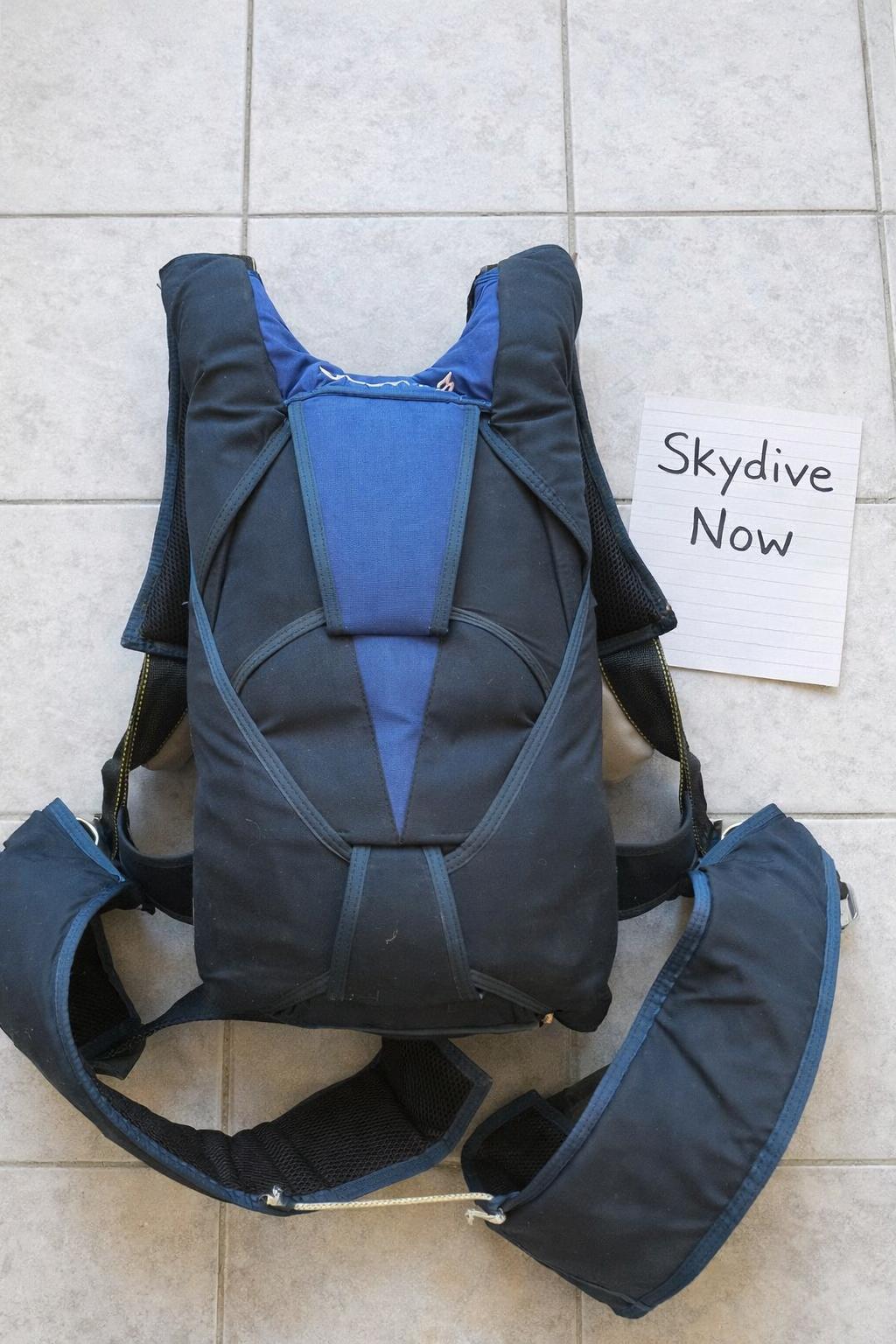
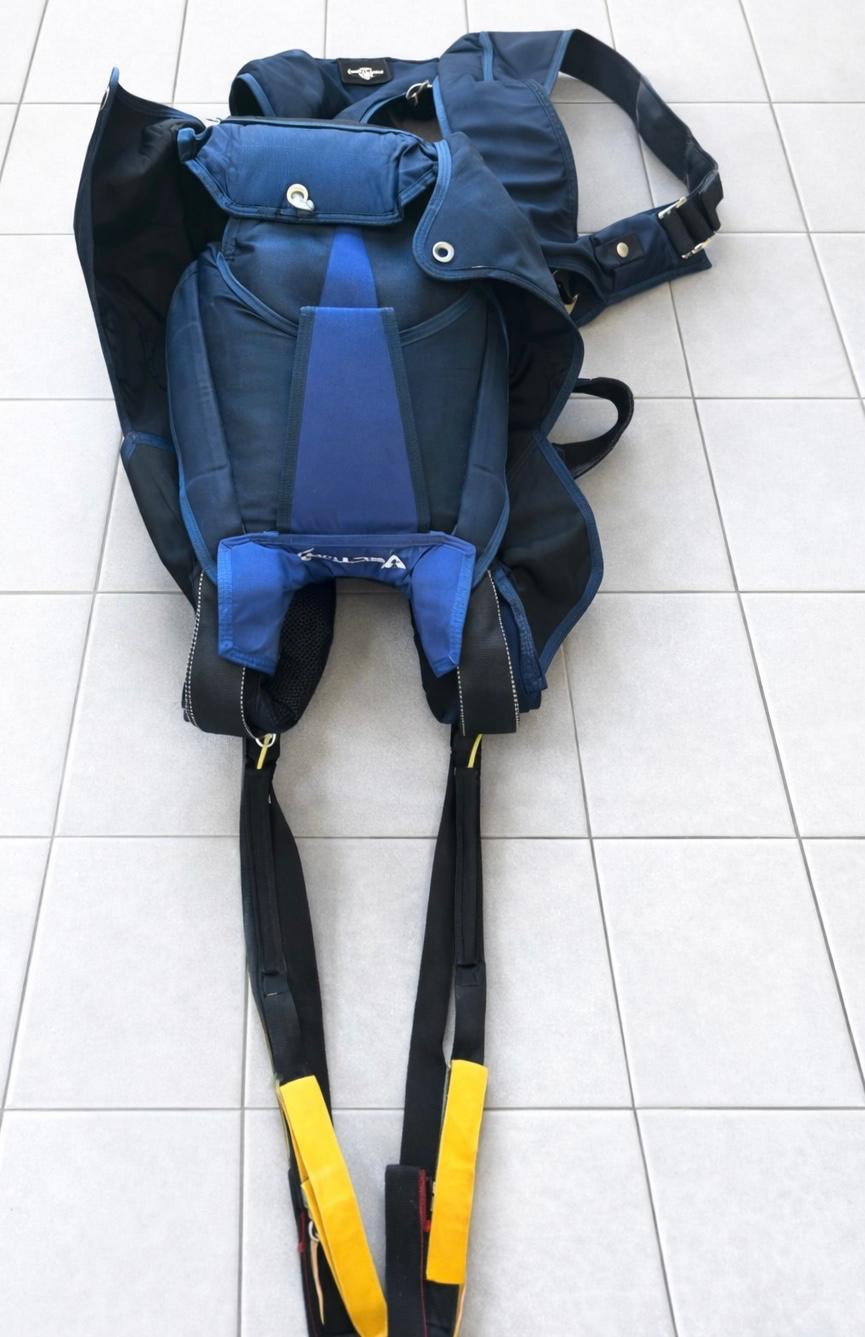
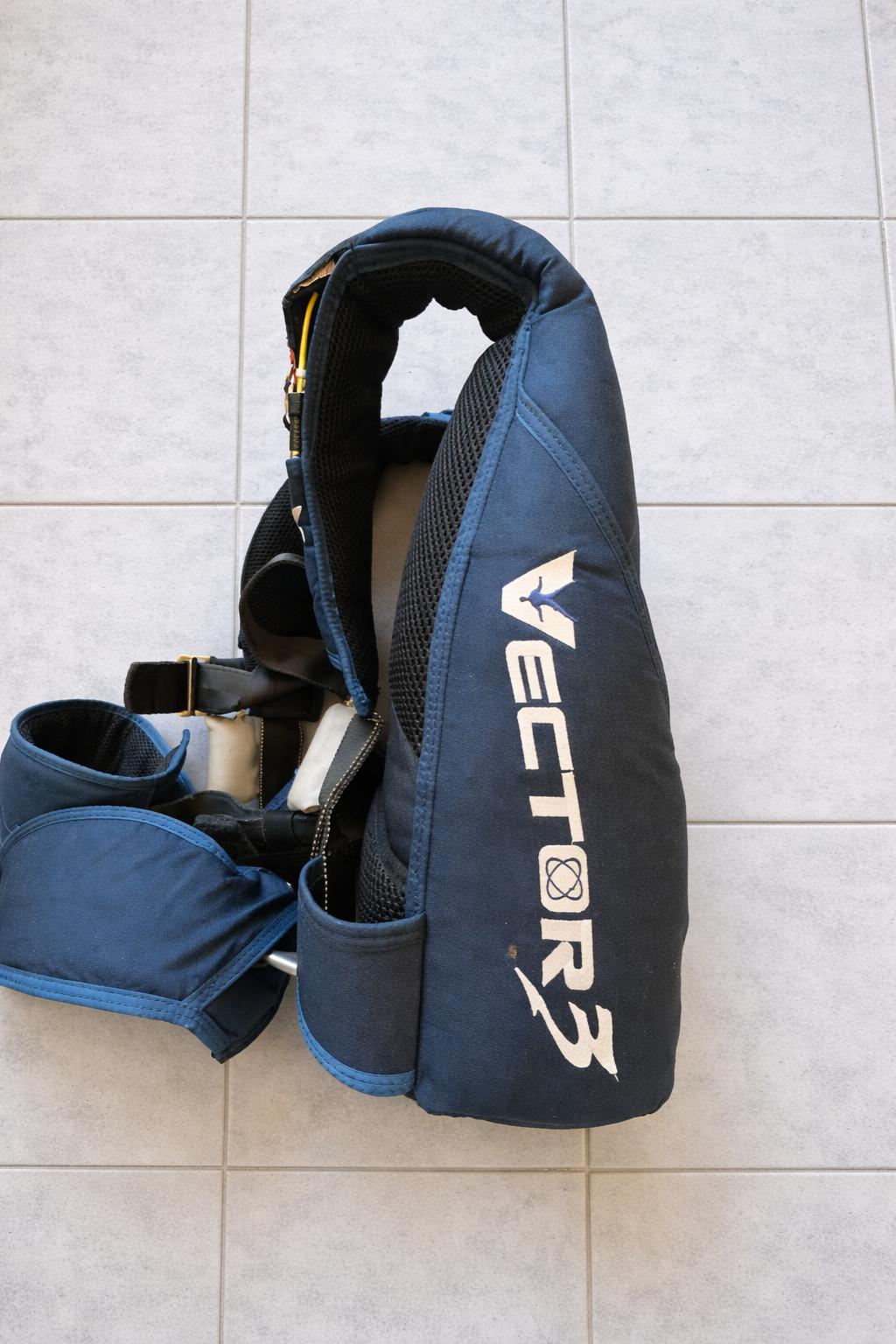
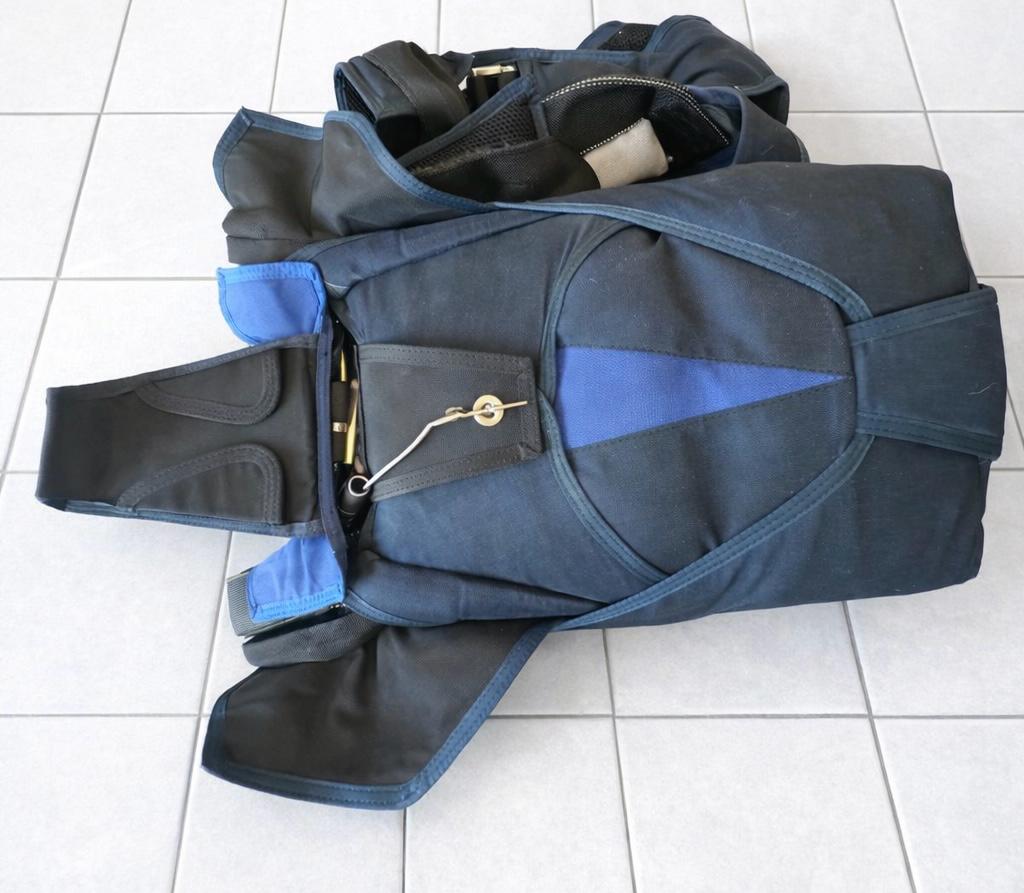
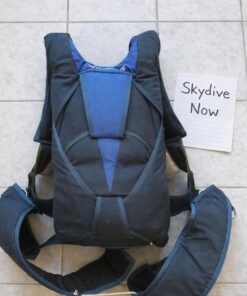
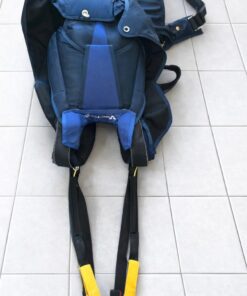
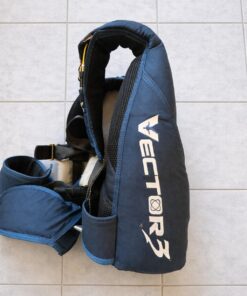
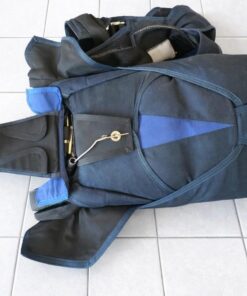
Used Vector 3 V303 Rig
€2,500.00
Excellent Condition, Verified History, and Professional Inspection
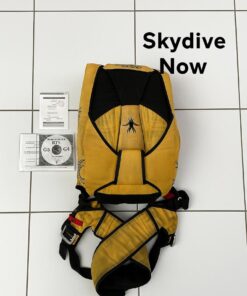
Confidence begins with condition. This Used Vector 3 V303 Rig remains in excellent overall condition, with no damage, no structural issues, and no repairs recorded across the system. Throughout its service life, the rig has been carefully handled, routinely checked, and responsibly maintained, resulting in clean fabric, intact stitching, and fully functional hardware.
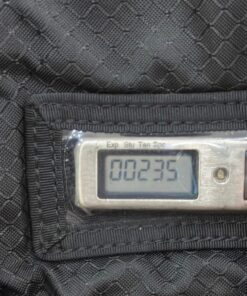
A total of approximately 200 jumps has been logged on the container and harness, reflecting moderate use well within the expected lifespan of a Vector platform. Because wear remains minimal, the rig continues to present strong cosmetic appeal alongside dependable performance.
Prior to listing, the system was thoroughly inspected, confirming proper routing, secure attachment points, and smooth operation of all components. All accessories are included as configured, including the Vector V3M-series V303 container, variable geometry harness with hip rings, one-piece leg pads, 3D spacer foam, magnetic riser covers, 21” Type 17 mini risers, soft handles, 28” F-111 pilot chute with freefly handle, and French hardware.
Designed to fit approximately 5’6”–5’11”, 70 kg ±5 kg, with 30”–34” waist and 34”–38” chest, this rig offers a well-balanced combination of condition, fit, and readiness for continued use.
Used Vector 3 V303 Rig — Proven Performance, Intelligent Design, Trusted Value
Performance matters when every detail counts. Confidence matters when equipment decisions carry real consequences. Value matters when buyers expect longevity, safety, and precision without compromise. The Used Vector 3 V303 Rig brings all three together in a single, professionally configured system designed for serious skydivers who prioritize reliability and fit over novelty alone.
Built within the respected Vector lineage, this V303 configuration reflects a balance of engineering maturity and operational practicality. Rather than chasing trends, the system focuses on what experienced jumpers consistently demand: predictable handling, durable materials, and a harness/container platform that adapts naturally to the body in flight and under canopy.
Because used equipment decisions require clarity, this description has been structured to support informed, confident buying. Each section explains not just what is included, but why it matters.
Understanding the Value of a Used Vector 3 V303 Rig
Buying used does not mean settling for less. In fact, for many experienced jumpers, a professionally maintained used rig represents one of the most rational equipment investments available.
Why a Used Rig Can Be the Smarter Choice
New equipment appeals visually. However, proven equipment delivers results. The Used Vector 3 V303 Rig stands as an example of how thoughtful ownership, proper maintenance, and a well-designed platform can outperform expectations long after initial manufacture.
Several advantages consistently draw buyers toward this category:
-
Reduced acquisition cost without sacrificing performance
-
Established reliability through real-world use
-
Known handling characteristics rather than untested assumptions
-
Immediate availability without long manufacturer lead times
As a result, many jumpers deliberately choose used Vector systems once they understand how well these rigs age when properly cared for.
The Vector 3 Platform — A Benchmark in Skydiving Equipment
Few container systems have earned the long-term trust that the Vector platform enjoys. Developed with safety-driven engineering and refined through decades of feedback, the Vector 3 series continues to be widely respected across disciplines.
Design Philosophy Behind the Vector 3 Series
Every design decision within the Vector 3 platform supports consistency and margin. Rather than forcing jumpers to adapt to the rig, the rig adapts to the jumper.
Key principles guide the platform:
-
Stable container geometry for predictable deployment
-
Ergonomic harness shaping to reduce fatigue
-
Component integration that minimizes snag risks
-
Modular compatibility with modern safety systems
Because these principles remain relevant regardless of year of manufacture, a well-maintained Used Vector 3 V303 Rig retains strong functional relevance today.
Where the V303 Fits Within the Vector Lineup
Understanding sizing and configuration helps buyers assess suitability early. The V303 container size occupies a versatile position, supporting a broad range of canopy pairings while maintaining balanced proportions on the jumper’s back.
Why the V303 Configuration Matters
Container size influences more than canopy compatibility. It affects comfort, body position, and long-term wear on both the rig and the jumper.
The V303 strikes an effective balance by offering:
-
Proportional container profile that avoids excessive bulk
-
Stable reserve and main integration
-
Compatibility with commonly flown canopy sizes
-
Predictable closing characteristics
Because of this balance, the V303 remains popular among jumpers who want consistency across disciplines without moving into oversized or overly compact configurations.
Built for Real Jumpers, Not Just Specifications
Specifications provide data. Experience provides insight. The Used Vector 3 V303 Rig bridges both by translating engineering into day-to-day usability.
Comfort That Extends Beyond the Ground
A rig should disappear once the door opens. This system supports that goal by focusing on load distribution and movement rather than rigid structure.
Notable comfort-oriented attributes include:
-
Harness geometry that follows natural body alignment
-
Padding solutions designed to reduce pressure points
-
Secure leg pad construction for even load transfer
-
Hip ring integration that supports range of motion
Together, these elements help reduce fatigue across long jump days while maintaining stability during high-speed flight.
Safety-Driven Design Without Overcomplication
Complexity does not equal safety. Clarity does. The Vector 3 approach emphasizes systems that behave predictably under stress.
Why Predictability Is a Safety Feature
When emergency procedures are required, familiarity matters. Equipment should respond exactly as trained, without unexpected behavior.
This rig’s design philosophy supports that requirement by offering:
-
Clear handle access and routing
-
Proven deployment sequencing
-
Secure riser management
-
Logical component placement
As a result, jumpers can rely on muscle memory rather than troubleshooting under pressure.
A Configuration That Supports Progression
Progression in skydiving often introduces new demands on equipment. Fortunately, the Used Vector 3 V303 Rig accommodates growth rather than restricting it.
Suitable Across Multiple Disciplines
While individual components define final suitability, the platform itself supports a wide range of jumping styles, including:
-
Belly flying
-
Freefly
-
General recreational jumping
-
Skill progression environments
Because of this adaptability, many jumpers remain on a Vector platform for years rather than outgrowing it prematurely.
Visual Identity and Professional Presentation
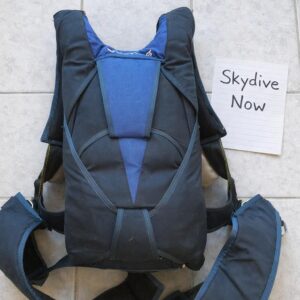
A rig’s appearance should reflect professionalism without distraction. This system’s blue and navy two-tone V-split design achieves that balance effectively.
Why Appearance Still Matters
Although performance comes first, visual condition influences buyer confidence and perceived care.
This configuration communicates:
-
Clean, understated aesthetics
-
Clear ownership pride
-
Professional presentation on the drop zone
-
Timeless styling rather than trend-driven graphics
As a result, the rig presents well both on the ground and in the air.
Who This Used Vector 3 V303 Rig Is Ideal For
Not every rig suits every jumper. This system aligns best with individuals who value thoughtful design and long-term reliability.
Ideal Buyer Profile
This rig may be especially suitable if you:
-
Prefer proven platforms over experimental designs
-
Value comfort across full jump days
-
Want safety systems that integrate cleanly
-
Seek strong value retention in used equipment
Because fit and configuration always matter, later sections will explore sizing and components in detail.
Setting the Stage for Informed Ownership
This first section establishes context, value, and intent. Subsequent parts will dive deeper into technical specifications, included accessories, reserve and AAD systems, fit guidance, and buying considerations.
Each section will continue to focus on clarity, transparency, and buyer confidence rather than sales pressure.
Detailed Container and Harness Specifications
Precision begins with structure. The Used Vector 3 V303 Rig benefits from a configuration that reflects intentional choices rather than generic assembly. Each measurement, component, and material selection contributes to predictable performance and long-term comfort.
Vector V3M-Series Container Configuration
Designed within the Vector V3M-series, this V303 container delivers structural consistency while accommodating a wide range of real-world jump scenarios.
-
Model series: Vector V3M
-
Container size: V303
-
Date of manufacture: 05 March 2010
-
Color scheme: Blue / Navy two-tone
-
Design style: V-split pattern
This colorway offers a professional appearance while maintaining visibility and visual balance. The design avoids excessive contrast, supporting a timeless aesthetic that ages well.
Main Lift Web and Harness Geometry
Fit accuracy influences both comfort and safety. This system was built with proportional alignment in mind, allowing the harness to work with the jumper rather than against them.
-
Main Lift Web (MLW): 16” OSA with +1” adjustment
-
Harness type: Variable geometry harness
-
Hip rings: Included
Variable geometry allows natural movement during freefall and canopy flight, while hip rings improve articulation during body position changes. Together, these features help reduce harness-induced restriction during advanced maneuvers.
Comfort and Padding Architecture
Extended jump days place cumulative stress on the body. This rig addresses that reality through thoughtful padding and load distribution.
Leg Pads and Load Distribution
Rather than relying on segmented padding, this configuration favors continuity and support.
-
Leg pad length: 19”
-
Leg pad style: One-piece construction
One-piece leg pads distribute load evenly across the thigh, reducing pressure points during deployment and canopy flight. This design also improves durability by minimizing seam stress.
3D Spacer Foam Integration
Padding quality directly impacts thermal regulation and long-term comfort.
-
Padding type: 3D spacer foam
This material promotes airflow while maintaining structural resilience. As a result, jumpers benefit from reduced heat buildup and consistent support over time.
Stabiliser, Stagger, and Structural Balance
Small measurements influence big outcomes. Stabiliser length and stagger settings contribute to how the rig sits on the jumper’s back.
-
Stabiliser length: 6.5”
-
Stagger: 0”
A neutral stagger combined with balanced stabiliser length helps maintain container alignment, particularly during head-down or transitional flight.
Riser System and Deployment Management
Deployment reliability depends on clean routing and secure riser containment.
Mini Risers and Hardware
This system includes risers selected for strength without unnecessary bulk.
-
Risers: 21” Type 17 mini risers
-
Hardware: French hardware
Type 17 risers reduce overall weight while retaining tensile strength. French hardware further enhances reliability through proven manufacturing standards.
Magnetic Riser Covers
Modern containment improves both aesthetics and function.
-
Riser cover type: Magnetic
Magnetic covers offer consistent closure while reducing wear associated with Velcro systems. This approach supports clean openings and streamlined airflow.
Handle Configuration and Accessibility
Emergency procedures depend on intuitive access. Handle selection plays a critical role in both comfort and response time.
Soft Handle Setup
This rig features soft handles designed to balance grip security with reduced snag risk.
-
Handle type: Soft handles
Soft handles provide tactile feedback without introducing rigid edges, supporting both safety and comfort during high-speed flight.
Pilot Chute and Deployment Components
Reliable deployment begins with a well-matched pilot chute system.
Pilot Chute Specifications
-
Pilot chute size: 28”
-
Material: F-111
-
Handle: Freefly handle
The 28” F-111 pilot chute offers dependable inflation characteristics, while the freefly handle supports secure grip across varied disciplines.
Component Compatibility and Integration
A rig performs best when components work as a cohesive system rather than isolated parts.
Why Integration Matters
Each element of this Used Vector 3 V303 Rig has been selected to complement the others:
-
Harness geometry aligns with container balance
-
Padding supports both comfort and structural integrity
-
Riser and handle choices reduce snag risk
-
Hardware selection supports longevity and safety
Because of this cohesion, the rig delivers predictable behavior across repeated use cycles.
Maintenance-Friendly Design Philosophy
Ownership extends beyond jumping. Maintenance access influences long-term satisfaction.
Practical Benefits for Owners
This configuration supports ease of inspection and service through:
-
Logical routing paths
-
Accessible hardware points
-
Durable materials that resist premature wear
As a result, routine checks and repacks remain straightforward rather than burdensome.
Safety Systems That Support Confident Decision-Making
Safety is never an optional feature. For experienced skydivers, confidence in emergency systems influences every jump, whether consciously or not. The Used Vector 3 V303 Rig includes a reserve and AAD configuration designed to meet established safety expectations without unnecessary complexity.
Rather than relying on marketing claims, this system relies on well-known components with clear service history and transparent documentation.
Reserve System Overview
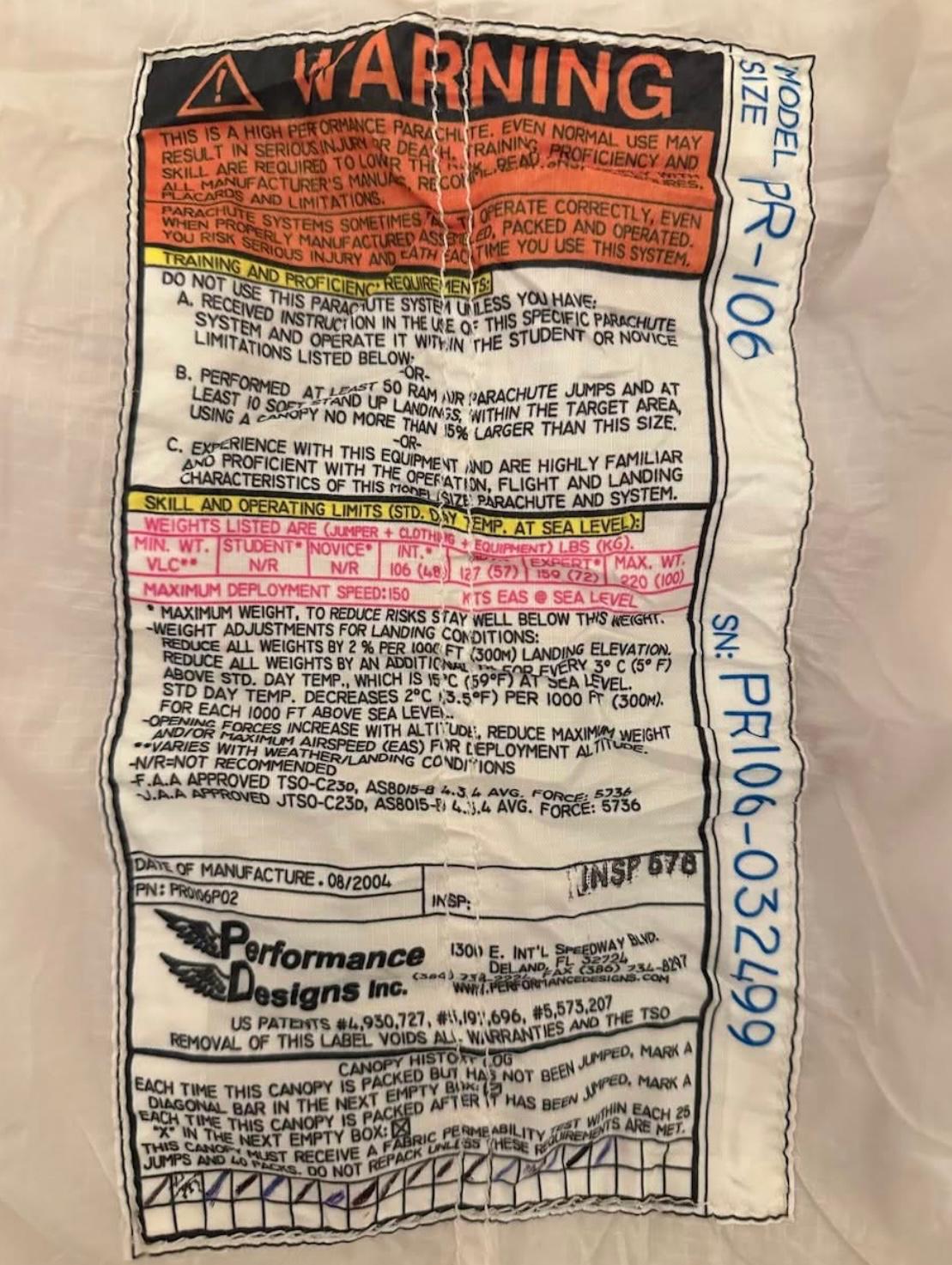
A reserve system should inspire confidence before it is ever needed. This rig includes a professionally maintained reserve canopy that has never been deployed in an emergency.
Reserve Canopy Specifications
-
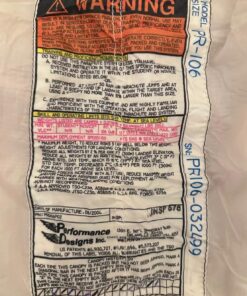
Manufacturer: Performance Designs
-
Model: PD Reserve PR-106
-
Color: White
-
Date of manufacture: August 2004
Performance Designs reserves are widely respected for consistent opening behavior and conservative flight characteristics. The PR-106 remains a popular choice for jumpers who prioritize predictable performance over aggressive handling.
Reserve Usage and Repack History
Understanding reserve history helps buyers assess remaining service life and overall condition.
-
Total repacks: 17
-
Emergency deployments: None
A reserve that has not experienced an actual deployment avoids many of the stresses associated with high-speed extraction. Regular repacks, when performed correctly, maintain fabric condition and line integrity without compromising performance.
Why Reserve History Matters to Buyers
Transparency builds trust. Clear disclosure of reserve usage allows buyers to evaluate risk accurately rather than relying on assumptions.
Key considerations include:
-
No history of shock loading from live deployments
-
Controlled handling during professional repacks
-
Predictable fabric aging profile
Because of these factors, this reserve remains a strong asset within the overall system.
Automatic Activation Device (AAD) Details
Modern safety expectations often include an AAD as a baseline requirement. This rig integrates a proven unit with a clear manufacturing record.
AAD Specifications
-
Manufacturer: Airtec
-
Model: Cypres 2 Expert
-
Serial number: C2191
-
Date of manufacture: April 2016
The Cypres 2 Expert model remains one of the most widely trusted AADs in sport skydiving, valued for reliability and straightforward operation.
Lifecycle Considerations
AAD lifecycle awareness is essential for responsible ownership.
This unit offers:
-
Proven operational stability
-
Clear serial identification for service tracking
-
Compatibility with Vector container architecture
While service and maintenance schedules always require verification with the manufacturer or authorized service center, the documented manufacture date supports informed planning.
Integration Between Container, Reserve, and AAD
Safety systems function best when integration is intentional. The Vector platform is known for accommodating reserve and AAD components without forced routing or compromises.
Why Integration Reduces Risk
Well-integrated systems support:
-
Clean cutter routing
-
Unobstructed reserve deployment paths
-
Logical pin and loop alignment
-
Reduced interference during emergency activation
This rig benefits from that design philosophy, ensuring safety systems operate as intended rather than fighting the container structure.
Compliance and Operational Readiness
Compliance extends beyond paperwork. Equipment must support inspection, repacking, and verification processes efficiently.
Inspection-Friendly Design
This Used Vector 3 V303 Rig supports routine compliance checks through:
-
Accessible reserve tray design
-
Clear AAD placement
-
Logical closing sequences
As a result, riggers and owners can complete inspections without unnecessary disassembly or guesswork.
Fit and Sizing — Why Proper Alignment Matters
Fit is not a secondary consideration. In skydiving equipment, correct sizing directly influences comfort, control, and safety. The Used Vector 3 V303 Rig was built to accommodate a clearly defined jumper profile, making it particularly well suited for individuals who fall within that range.
Because a properly fitted rig becomes an extension of the body, this section emphasizes clarity over assumptions.
Intended Jumper Height and Body Proportions
This rig was designed for jumpers within a common yet specific height bracket.
Recommended Height Range
-
Approximate height: 5’6” to 5’11”
Within this range, the container and harness geometry support natural body alignment, reducing the likelihood of ride-up or downward pressure during deployment and canopy flight.
Weight Compatibility and Load Balance
Weight influences more than canopy choice. It also affects how the rig carries load across the torso and legs.
Ideal Weight Range
-
Target body weight: Approximately 70 kg
-
Tolerance range: ± 5 kg
This range aligns well with the harness geometry and leg pad length, helping maintain even load distribution without excessive adjustment.
Chest and Waist Measurements
Circumference measurements provide critical insight into harness fit.
Body Measurement Guidelines
-
Waist size: Approximately 30” to 34”
-
Chest size: Approximately 34” to 38”
These measurements support a snug yet comfortable fit that avoids both restriction and excessive slack. As a result, the harness remains stable during freefall while allowing normal breathing and movement.
Harness Adjustability and Real-World Flexibility
No two bodies are identical. This rig’s configuration acknowledges that reality through adjustable features that accommodate natural variation.
Adjustment-Supporting Features
-
Variable geometry harness
-
Hip ring integration
-
+1” MLW adjustment allowance
These features allow minor fine-tuning to improve comfort without compromising safety or structural integrity.
How Fit Impacts Performance in the Air
Fit affects more than comfort on the ground. In freefall and under canopy, alignment plays a direct role in control and efficiency.
Freefall Stability Benefits
A well-fitted Used Vector 3 V303 Rig supports:
-
Neutral body position
-
Reduced harness shift during transitions
-
Consistent handle access
-
Predictable container behavior
Because the rig sits correctly on the torso, jumpers can focus on flight rather than compensating for equipment movement.
Canopy Flight Comfort and Control
Under canopy, load distribution becomes even more noticeable.
Proper fit contributes to:
-
Even leg strap pressure
-
Reduced lower back fatigue
-
Stable harness orientation during turns
-
Improved overall comfort on longer rides
These factors collectively improve endurance and enjoyment over multiple jumps.
Who This Rig Fits Best
This configuration aligns well with jumpers who fall near average build proportions.
Strong Fit Candidates
This rig may be an excellent match if you:
-
Fit within the stated height and weight ranges
-
Prefer a secure, performance-oriented harness feel
-
Value ergonomic support during extended jump days
-
Want minimal compromise between comfort and control
Situations Where Fit Should Be Re-Evaluated
Transparency includes acknowledging limits. This rig may require professional evaluation if a jumper falls outside the defined ranges.
Additional Consideration Recommended If You:
-
Are significantly above or below the listed height range
-
Have chest or waist measurements outside stated limits
-
Prefer a very loose or highly customized harness feel
In such cases, consultation with a qualified rigger remains advisable prior to purchase.
Inclusive Fit Philosophy
While no rig fits everyone, this system was built with inclusive practicality in mind. The adjustment range and ergonomic features support a diverse group of jumpers rather than a narrow niche.
The goal remains simple: ensure the rig works with the jumper, not against them.
Be the first to review “Used Vector 3 V303 Rig”
Related products
Second hand
Second hand
Second hand
Second hand
Second hand
Second hand
Second hand
Second hand
Reviews
There are no reviews yet.