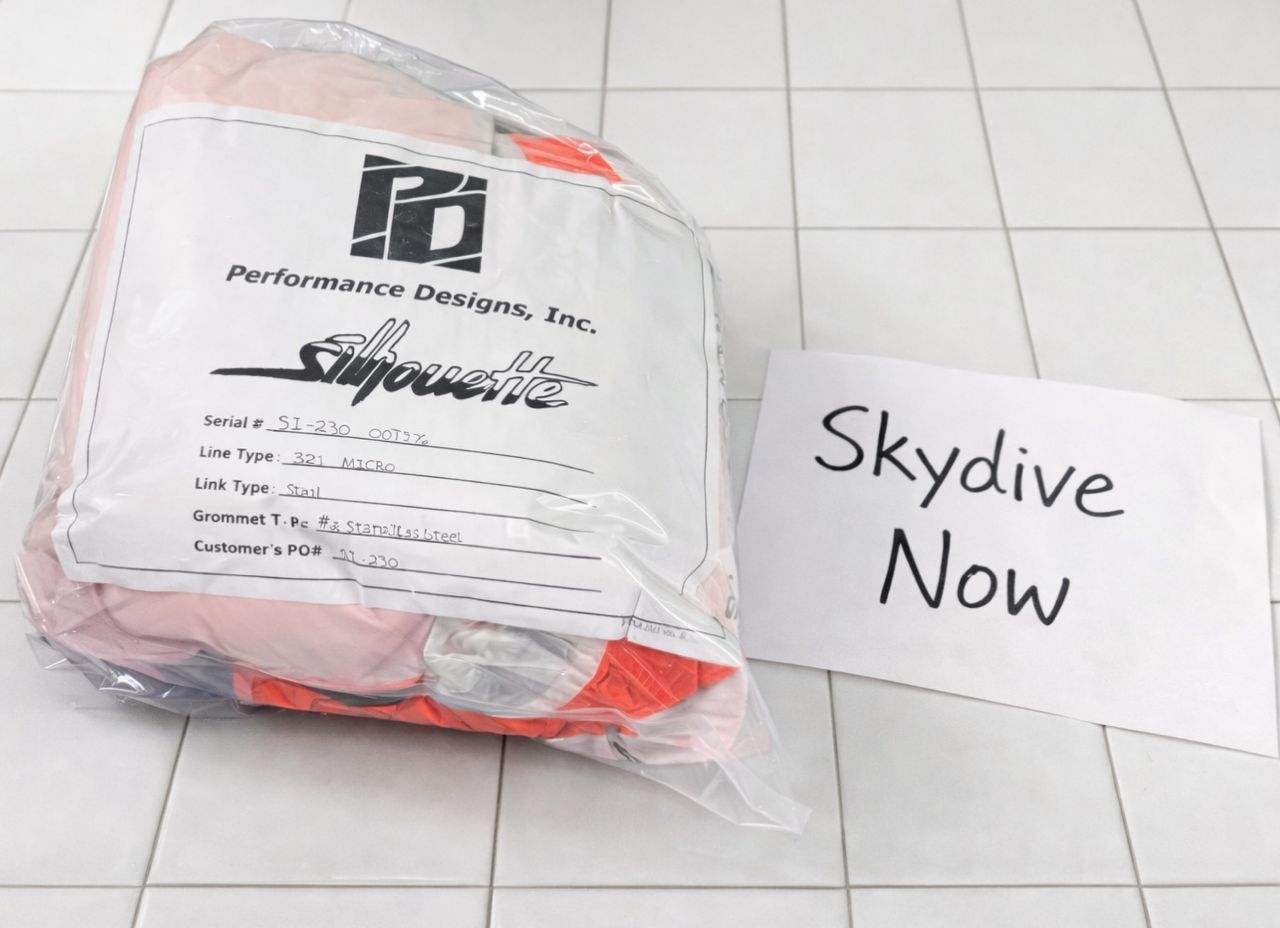
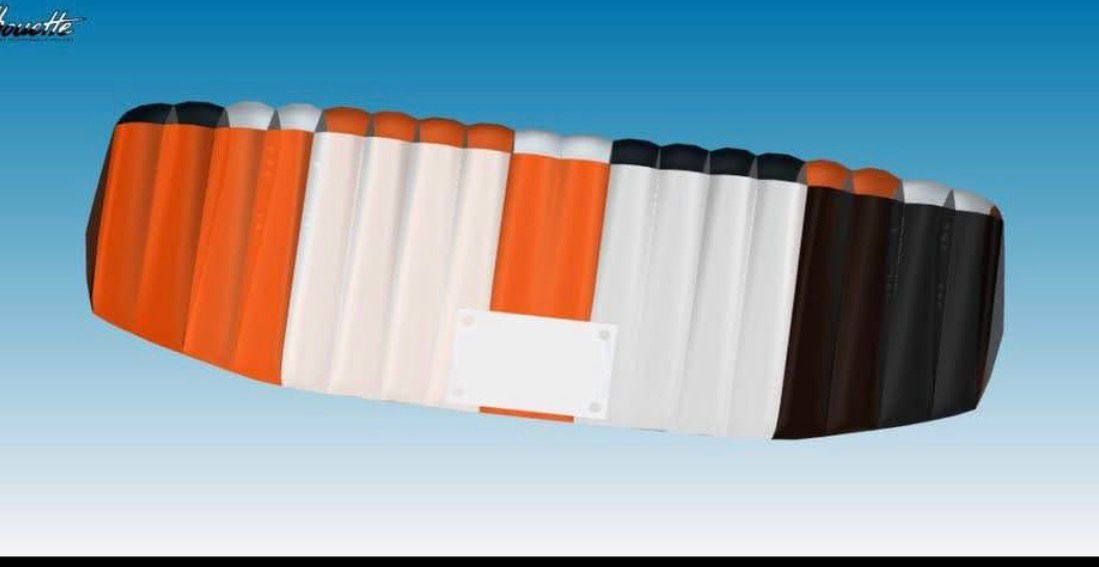
PD Silhouette 230 Main Canopy
€2,000.00
Description
PD Silhouette 230 Main Canopy
The PD Silhouette 230 Main Canopy introduces a balance of progressive flight characteristics and forgiving handling that supports skill development without sacrificing excitement. Additionally, it offers a dependable platform for jumpers who value stability, return-to-heading reliability, and confident landings. Moreover, its hybrid design bridges the gap between familiar student-style comfort and the agility jumpers expect when progressing toward smaller wings.
Skydivers often search for gear that provides room to grow without overwhelming them. As a result, this canopy is positioned as a transition-friendly choice for individuals advancing from larger student rigs or returning to the sport after time away. Furthermore, its design encourages piloting improvement rather than demanding perfection from the first deployment.
Consequently, the PD Silhouette 230 Main Canopy is a practical option for drop zones, rental fleets, and individual jumpers who want responsive performance while maintaining a margin of stability. Meanwhile, its openings, glide, and flare characteristics build trust jump by jump, jump by jump, rather than forcing rushed adaptation.
An Introduction to the PD Silhouette 230 Main Canopy
The entry point into this canopy’s value proposition starts with consistency. Unlike some wings that require precision inputs to feel balanced, the PD Silhouette 230 Main Canopy rewards progressive skill building. Because its architecture reduces the likelihood of sharp errors, newer and returning jumpers often feel at ease within the first few flights. In addition, more experienced jumpers appreciate its predictability during pattern work and landing phases.
Rather than overwhelming pilots with hyper-sensitivity, this canopy transitions to new control habits gradually. After a handful of jumps, individuals typically realize they can challenge themselves safely. Next, those same pilots begin to access more advanced techniques such as refined toggle management, pitch control, and landing accuracy.
Why Skydivers Choose the PD Silhouette 230 Main Canopy
Beginning with fundamentals and ending with performance growth, the canopy delivers measurable advantages:
Highlighted Benefits
-
Smooth, progressive openings with reduced heading drift
-
Predictable glide ratio that supports pattern consistency
-
Flare authority that encourages confident landing technique
-
Hybrid construction for durability and responsive feedback
-
Landing profile that supports progression, not punishment
-
User-friendly stall point for safer skill exploration
-
Line configuration optimized for balanced toggle pressure
Ideal Purchase Motivations
-
Building confidence after upsizing or time off
-
Transitioning from large student canopies toward mid-range wings
-
Adding dependable equipment to a DZ rental or instructional inventory
-
Reducing risk while still gaining maneuverability
-
Supporting skill development without intimidation
A Hybrid Design for Real-World Flight
Engineered to reduce stress during learning curves, the PD Silhouette 230 Main Canopy uses hybrid fabric selections that balance pack volume, feedback, and long-term integrity. Even though it remains accessible, it never feels dull or static. Instead, its airfoil works with the jumper rather than against them. Because of this, progression feels achievable rather than forced.
Although some wings in its size category sacrifice responsiveness for stability, this canopy avoids that compromise. After deployment, pilots can shift smoothly from basic heading control to more assertive turns as confidence increases. Eventually, new competencies emerge without the high workload normally associated with performance-oriented rigs.
Purpose-Built Design That Supports Progression
Engineering choices define how a canopy feels in the sky. With the PD Silhouette 230 Main Canopy, those decisions favor predictability, comfort, and measured responsiveness rather than aggressive or intimidating performance. Additionally, the airfoil architecture integrates hybrid cell materials that streamline pack volume, reinforce inflation consistency, and reduce unwanted variances during deployment.
Instead of prioritizing maximum speed or aggressive energy retention, the design philosophy caters to skill progression. Furthermore, each material selection contributes to a canopy profile that absorbs inconsistencies rather than amplifying them. Consequently, jumpers benefit from a training-friendly experience that evolves as their technique improves.
Hybrid Cell Construction & Material Selection
Performance Designs developed the Silhouette series to merge the stability of traditional training canopies with the personality of recreational wings. As a result, the PD Silhouette 230 Main Canopy incorporates a hybrid build: ZP top skins to retain pressurization, F-111 bottom skins for packability, and a line configuration that balances input response.
Material Composition Overview
-
Zero-Porosity (ZP) top skin enhances inflation and internal pressure
-
F-111 bottom skin improves packability and airflow feedback
-
Reinforced line attachment points reduce long-term deformation
-
Responsive cascade line architecture moderates toggle pressure
-
Protected seam construction supports durability for rental fleets
Moreover, the hybrid configuration sits between full-ZP performance wings and purely student-oriented canopies. Because of this placement, it provides ambition without penalty and progress without pressure.
Aerodynamic Profile: Glide, Pressurization & Internal Balance
Shape matters. Additionally, the characteristic profile of the PD Silhouette 230 Main Canopy harnesses internal pressure to stabilize forward flight and protect against abrupt collapses. Meanwhile, inflation sequences aim for soft, predictable openings without excessive snivel or off-heading drift.
Operational Advantages in the Air
-
Inflation cycles that reduce canopy stress and line whipping
-
On-heading tendencies that support confident riser control
-
Glide behavior tuned for pattern clarity rather than speed chasing
-
Toggle transitions that feel informative instead of aggressive
-
Balanced performance under mild front-riser inputs
Although the canopy is not designed as a high-energy swooping wing, it retains enough flare authority to promote landing accuracy. Next, this translates to realistic improvement instead of forced adaptation.
Handling Logic & Control Response
Handling design influences how a pilot thinks and reacts during every phase of flight. While some wings expect precision, the PD Silhouette 230 Main Canopy provides permission to learn. Additionally, its control range favors stability: early inputs produce guidance, mid-range movements enable turning confidence, and deep inputs communicate clear stall proximity without hostility.
Control Feel Breakdown
-
Early Toggle Range: Directional influence, minimal altitude loss
-
Mid Toggle Range: Engaging turns, navigational confidence
-
Deep Input Range: Stall education without sudden collapse
-
Rear Risers: Subtle glide correction for pattern refinement
-
Front Risers: Limited energy gain for controlled descent angles
Each of these ranges supports transferable skill development, making future downsizing a planned progression instead of a gamble.
Predictability Through Airflow Management
Predictability is not an accident. It results from design intent, testing discipline, and aerodynamic restraint. Because of this, the PD Silhouette 230 Main Canopy maintains internal pressure in a manner that prioritizes recovery over collapse. Consequently, pilots experience fewer surprises during unexpected control errors. Additionally, this benefits returning jumpers who want muscle memory to re-activate without fear of harsh consequences.
Furthermore, airflow management contributes to morale. When a canopy teaches instead of punishes, pilots fly more often, ask better questions, and progress faster.
Engineering Summary: Built to Grow With the Jumper
The design strategy is neither conservative nor aggressive; it is deliberate. Moreover, the hybrid build, moderated airfoil, and handling profile transform the PD Silhouette 230 into a developmental canopy rather than a static endpoint. Because of this, individuals gain a path forward, not a ceiling.
Key Engineering Pillars
-
Hybrid ZP / F-111 construction for stability + packability
-
Progressive control feedback that protects learning stages
-
Glide and flare characteristics shaped for landing success
-
Inflation behavior that supports trust-building deployments
-
Durability profile suited to DZ inventories and returning fliers
Skill-Level Suitability, Body-Type Range & Progression Mapping
Designed for Growth Across Multiple Stages of the Learning Curve
The PD Silhouette 230 Main Canopy serves as a bridge between foundational comfort and future ambition. Instead of demanding expertise before providing value, it allows individuals to advance at their own pace. Additionally, the canopy’s hybrid character encourages skill retention rather than punishing developing technique. Because progression rarely follows a perfect straight line, this canopy accommodates the natural stops, starts, and plateaus that occur when refining canopy skills.
Furthermore, inclusive suitability ensures that pilots of multiple experience ranges can benefit. While some will use it as a stepping stone toward smaller wings, others will adopt it as a long-term recreational choice.
Recommended Skill-Level Profiles
Each segment below outlines how different jumpers integrate with the Silhouette 230. These categories support informed purchase decisions without presenting unsafe guarantees or exaggerated claims.
New Transitioning Jumpers
-
Moving from larger student canopies to personal gear
-
Seeking familiar stability with room to explore riser and toggle inputs
-
Wanting predictability before downsizing further
Returning Skydivers
-
Re-entering the sport after time away
-
Rebuilding landing confidence without intimidation
-
Re-establishing pattern discipline and altitude awareness habits
Recreational Flyers
-
Prioritizing enjoyable flight characteristics over performance extremes
-
Choosing dependability for consistent weekend jumps
-
Preferring smooth deployments and comfortable landings
Progression-Focused Students
-
Guided by instructors through structured skill milestones
-
Improving flare timing, glide judgment, and pattern control
-
Preparing for future canopy sizes without skipping foundational steps
Additionally, these profiles overlap. The canopy is engineered to serve more than a single-user identity, which increases its value to both individual buyers and drop zones managing diverse student pipelines.
Body-Type, Wing Loading & Confidence Window
Because pilots vary in body composition, technique maturity, and confidence, this canopy functions across a practical spectrum of wing loadings. The goal is not aggressive output; instead, it prioritizes controlled speed and manageable descent rates.
Body-Type Accommodation Range
-
Lightweight pilots gaining responsiveness without instability
-
Mid-weight pilots accessing a balanced compromise between speed and forgiveness
-
Heavier pilots navigating predictable descent without abrupt stall behavior
Although opinions differ within the community, many instructors support the Silhouette 230 as a transitional platform before downsizing into 210s, 190s, and beyond. Additionally, individuals who value recurring comfort over performance escalation may remain at 230 long term.
Jump Count Guidance (Non-Prescriptive & Safety-Conscious)
Because jump counts never guarantee competency, these figures act as orientation markers rather than eligibility claims. They reflect general patterns observed in controlled instructional environments.
Common Use Ranges
-
50–120 jumps: Transitioning from rental or school gear to personal ownership
-
120–250 jumps: Refining riser work, landing accuracy, and approach timing
-
250–350+ jumps: Stable recreational consistency or foundation before downsizing
Meanwhile, instructors retain final discretion. Skill demonstrations, canopy courses, and honest self-assessment remain essential components of safe progression.
Progression Mapping for Training & Instruction
The PD Silhouette 230 fits into a structured advancement path. Rather than accelerating progression, it stabilizes it. Consequently, jumpers avoid rushed downsizing decisions driven by peer pressure or equipment misalignment.
Stage 1: Familiarization
-
Basic heading control post-deployment
-
Introduction to pattern planning with instructor guidance
-
Recognizing toggle pressure changes without panic responses
Stage 2: Pattern Development
-
Identifying wind correction angles on crosswind legs
-
Practicing early landing setup decisions before final approach
-
Experimenting with rear riser inputs for stability and glide adjustments
Stage 3: Landing Refinement
-
Flare timing calibration under predictable feedback
-
Shaping descent angles without fear of sudden losses of lift
-
Recognizing the stall threshold with margin for correction
Stage 4: Pre-Downsizing Assessment
-
Demonstrating consistent accuracy without erratic altitude loss
-
Managing pattern traffic with awareness
-
Completing canopy course recommendations if advised
Why This Suitability Profile Matters to Buyers
Understanding skill-level fit eliminates friction in the purchasing process. Although some jumpers rush into downsize decisions, informed buyers look for wings that preserve confidence. When that confidence grows intentionally, it drives retention, repeat purchases, and long-term skill satisfaction.
This canopy aligns with buyers who:
-
Prioritize survival of skill errors over performance extremes
-
Value measured growth instead of image-based downsizing
-
Want to feel ready for the next step, not forced into it
-
Prefer safe margins that support weekend flying and recreational consistency
-
Choose equipment that teaches, not punishes
Moreover, drop zones benefit: repeat students, fewer equipment-related setbacks, and increased purchase trust.
Opening Characteristics: Consistency, Comfort & Confidence
Openings are the first moment a jumper evaluates trust. With the PD Silhouette 230 Main Canopy, the deployment experience emphasizes reliability. Additionally, inflation sequences progress smoothly, creating balanced pressurization without abrupt surges. Consequently, the canopy transitions from line stretch to flight entry in a manner that reassures developing pilots.
Observable Opening Traits
-
Measured inflation that resists rapid distortion
-
On-heading tendencies supporting early directional control
-
Reduced off-axis yaw for lower correction workload
-
Predictable snivel length, minimizing panicked input responses
-
Comfortable deceleration phase before full lateral authority engages
Furthermore, consistent openings encourage calmer cognitive states. When tension decreases at the top of the skydive, decision-making improves at the bottom.
Glide Slope, Pattern Work & Navigational Control
Glide behavior determines how a pilot experiences altitude management. Instead of leaning into aggressive forward drive, the PD Silhouette 230 Main Canopy provides a moderated glide slope. As a result, pattern shaping becomes approachable. Additionally, pilots can adjust plans mid-sequence without burning altitude unexpectedly.
Pattern Advantages
-
Clear sight picture during base-to-final transitions
-
Forgiving flight path when evaluating wind direction
-
Modest airspeed that supports thoughtful setup decisions
-
Responsive feedback for both conservative and corrective inputs
Although glide performance remains moderate, it never feels static. Instead, the wing offers enough personality to reward pilot engagement without overwhelming them.
Toggle Pressure, Response Zones & Control Mapping
Toggle feel influences confidence more than any other control metric. Because jumpers vary in strength and technique, the canopy’s toggle architecture provides a feedback gradient that grows with pilot intent.
Toggle Control Zones
-
Initial Range: Soft, stability-oriented steering without surprise dives
-
Middle Range: Assertive yet manageable turning authority for direction shaping
-
Deep Range: Stall education with audible and tactile cues before critical loss of lift
Additionally, toggles communicate stall progression clearly enough to support learning, not panic. While some high-performance wings mask this threshold until error becomes consequence, the Silhouette 230 reveals that threshold gradually.
Front & Rear Riser Input: Incremental Advancement
Riser application represents the midpoint between recreational flight and performance development. With the PD Silhouette 230 Main Canopy, riser work feels approachable. Instead of demanding flawless technique, the canopy offers scaled benefits.
Rear Riser Influence
-
Minor direction correction without altitude bleed
-
Glide shape adjustments during upwind challenges
-
Increased pattern flexibility for last-second spacing decisions
Front Riser Influence
-
Moderate descent rate increase for controlled altitude management
-
Gentle dive initiation rather than aggressive energy commitment
-
Appropriate introduction to skill foundations before downsizing
Moreover, reversible input responses prevent “trapdoor” moments where a small mistake creates large repercussions.
Landing Behaviors: Flare Curve, Lift Retention & Touchdown Comfort
Landing defines reputation. Because of this, the PD Silhouette 230 Main Canopy prioritizes landing curves that foster self-correction rather than punishment. Additionally, flare authority arrives in a predictable arc, supporting timing development and spatial judgment.
Landing Experience Summary
-
Flare engages progressively, not suddenly
-
Retains lift long enough to reshape poor timing decisions
-
Allows minor errors without immediate collapse
-
Teaches precision while protecting learning jumps
-
Builds confidence in wind variability rather than eliminating it
While skilled pilots can coax refined landings from the canopy, beginners and returning jumpers access success without feeling like they are “trying to save it” on every touchdown.
Recovery Arc & Error Absorption
Recovery arc behavior influences risk. Aggressive wings snap back into the flight path; developmental wings re-center gradually. Consequently, the Silhouette 230 reduces startle responses during loss-of-input scenarios. Additionally, the canopy restores symmetry before the pilot must commit to further action.
PD Silhouette 230 Main Canopy Correction Dynamics
-
Self-centering tendencies after unplanned input release
-
Reduced oversteer during course corrections
-
Stability during low-intensity turbulence
-
Balanced pitch behavior that prevents abrupt nose drops
These characteristics matter for buyers who prioritize emotional readiness, not performance bravado.
PD Silhouette 230 Main Canopy Performance Summary for Conversion
The PD Silhouette 230 Main Canopy delivers reliability during openings, clarity during navigation, and fairness during landing practice. Meanwhile, the control environment nurtures proficiency. Because of this dynamic, the canopy becomes a progression tool rather than a temporary stepping stone.
Performance Pillars
-
Predictable openings that set a calm foundation
-
Realistic glide shaping for pattern discipline
-
Toggle feel that evolves with pilot intent
-
Riser environment that supports pre-downsizing education
-
Landing curve tailored for improvement rather than spectacle
Related products
-
JYRO JFX 2
€3,600.00Select options This product has multiple variants. The options may be chosen on the product page -
PD Storm Main Parachute Canopy
€2,650.00Select options This product has multiple variants. The options may be chosen on the product page -

Icarus Neos main canopy
€2,100.00Select options This product has multiple variants. The options may be chosen on the product page -

PD Lightning Main Parachute Canopy
€2,700.00Select options This product has multiple variants. The options may be chosen on the product page
Reviews
There are no reviews yet.